
BLOGS
Churches across the country are stepping up. Read their stories and access other climate and energy resources here.

St. James & St. John United Church progresses toward full heat pump adoption across all its buildings
St. James & St. John United Church in Miramichi, New Brunswick is transitioning to energy-efficient mini-split heat pumps across its buildings, with current efforts targeting its Church Centre, its most space.
St. James & St. John United Church, located in Miramichi, New Brunswick, operates three buildings including its manse, church, and its church Centre, which houses offices, Sunday School, and a number of congregational activities.
In response to rising fuel costs and the environmental impact of fossil fuels, the church has been transitioning to mini-split heat pump systems as the primary source of heating across all its buildings. As part of this commitment, mini-splits were installed in the main church building, allowing the congregation to eliminate its reliance on oil for heating.
Focusing on where it matters most
Between the church’s two remaining buildings, upgrading the Church Centre was the next top priority, as it is used most frequently by both the congregation and the wider community. The Centre is a hub for community programs and activities and hosts the church’s offices, Sunday School program, bible studies, dessert theatres, church suppers and special events. The church also rents the building on a regular basis to an organization that teaches English language primarily to immigrants, a yoga group, pickleball players, and to other organizations.
“The Centre is vital to who we are and how we operate as a congregation. It’s where all daily activities take place.” shares Kimberley Shaddick, Office Administrator at St. James & St. John United Church
The church directed all of the funds received from the Faithful Footprints program to upgrade the heating system in the Church Centre. The improvements included removing the existing oil furnace, oil tank, and radiators throughout the building. Although some mini-split units were already in place, several rooms and areas remained underheated. The church replaced three older mini-splits in the auditorium, originally installed in 2013, and installed new units in two rooms with rental potential, two offices on the main floor, and one in the foyer.
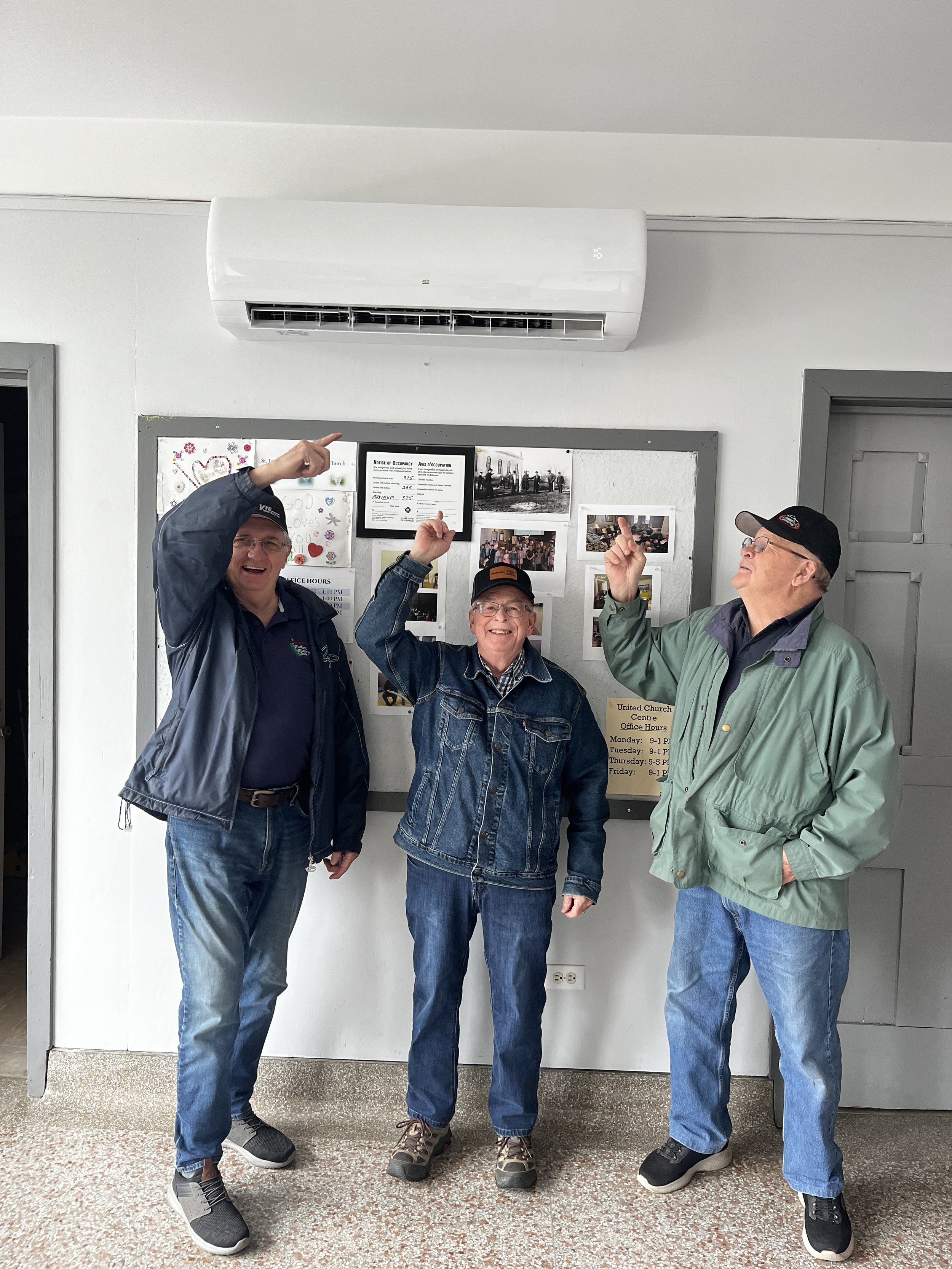
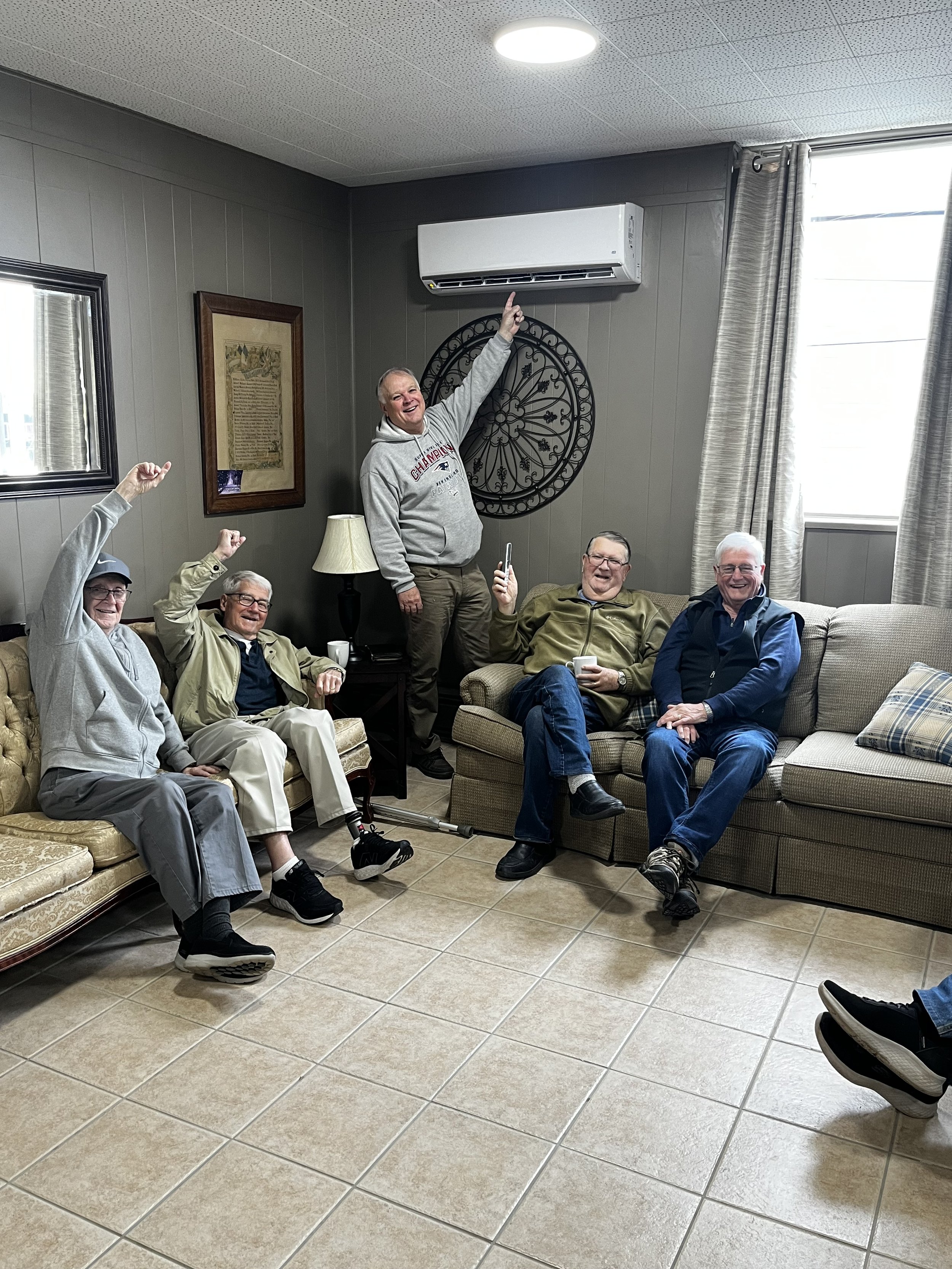

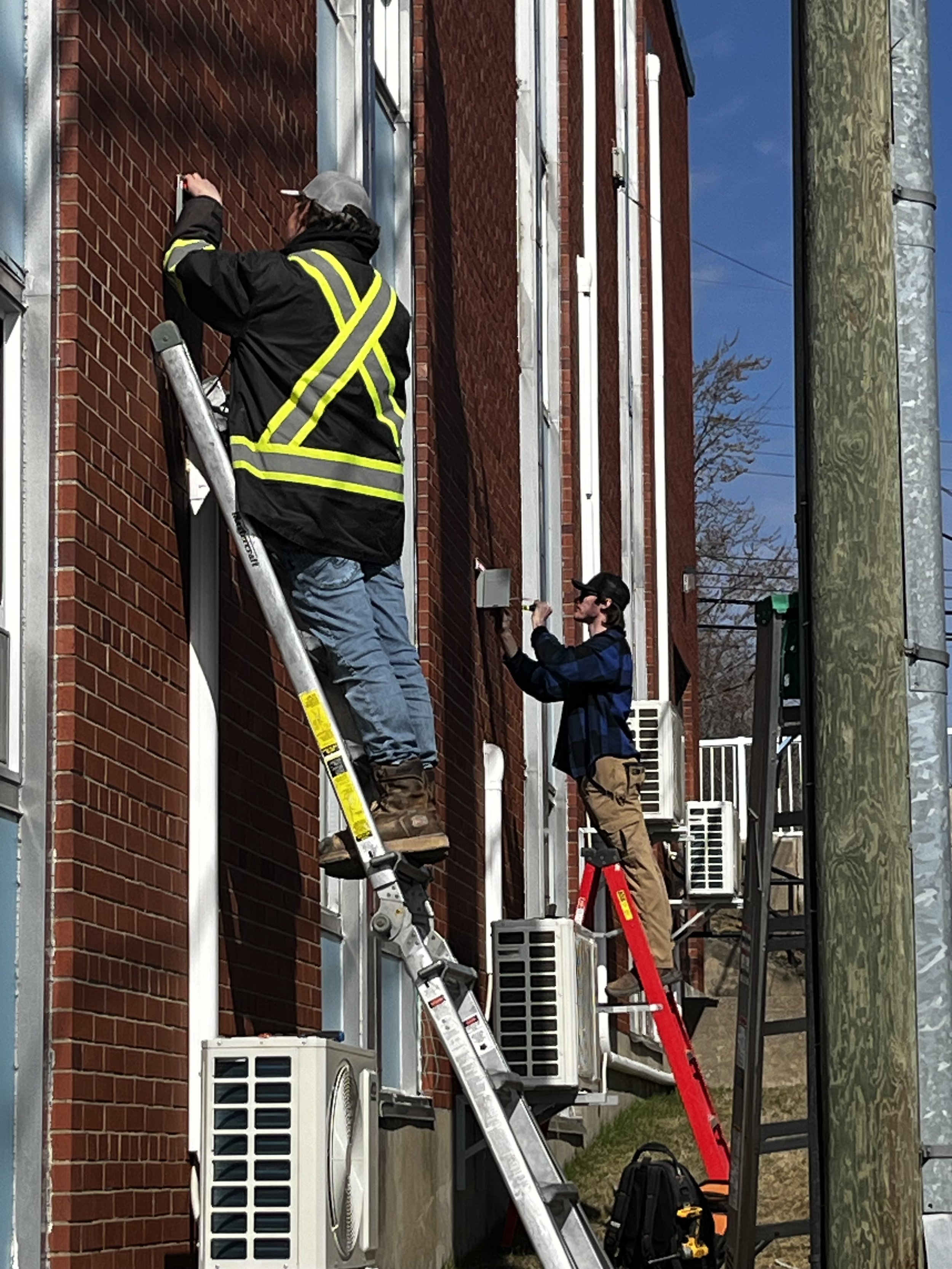
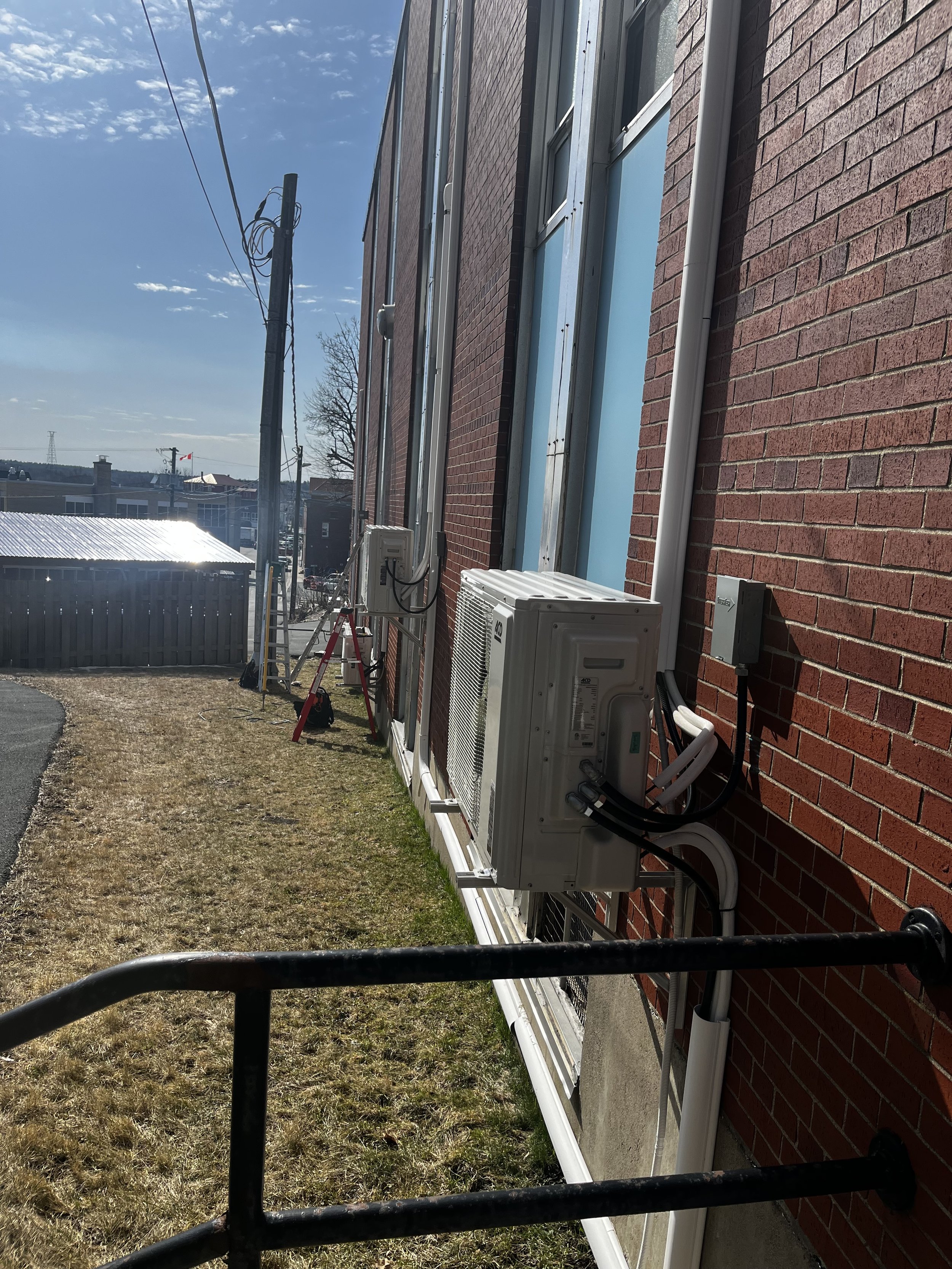
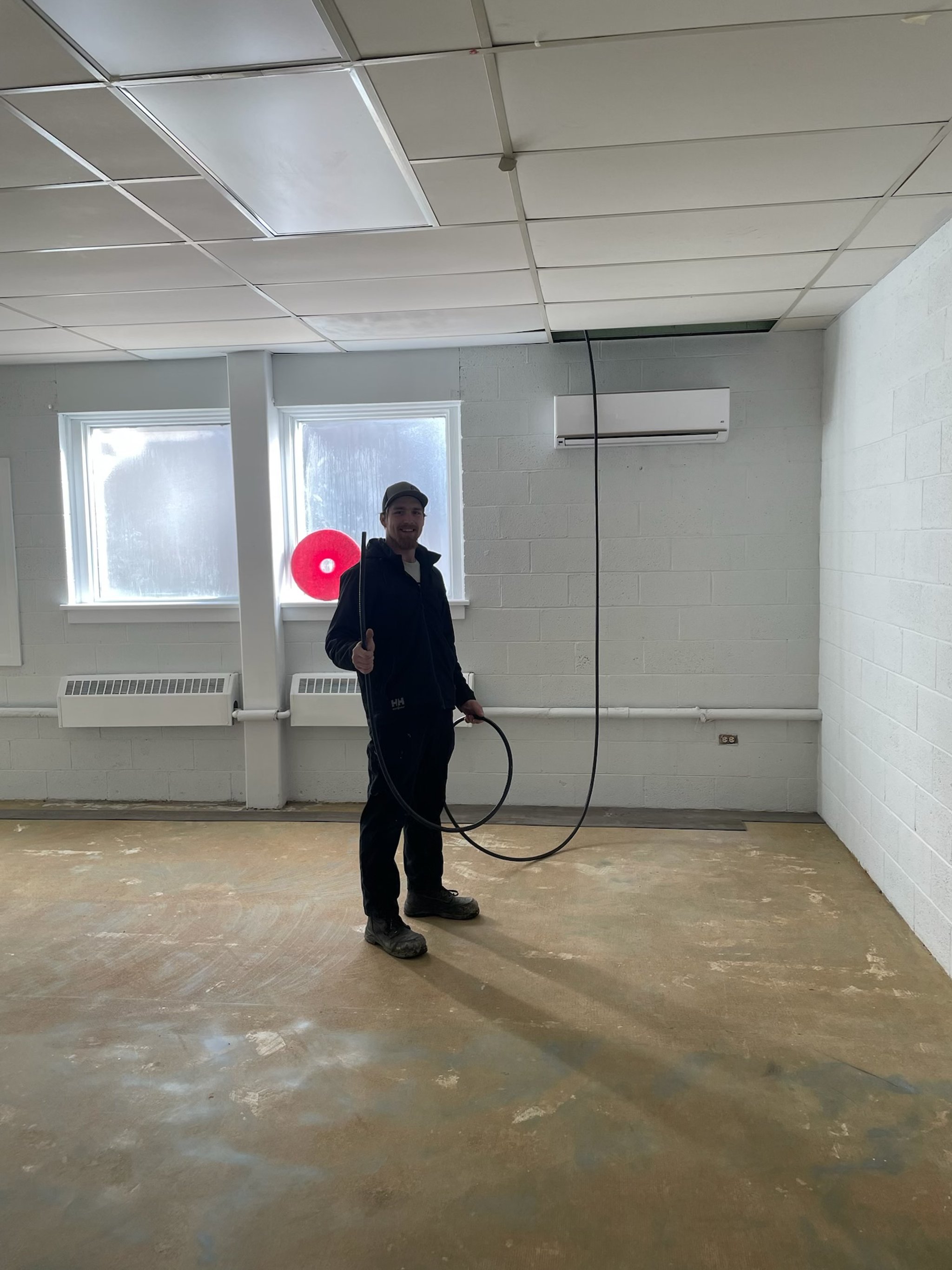
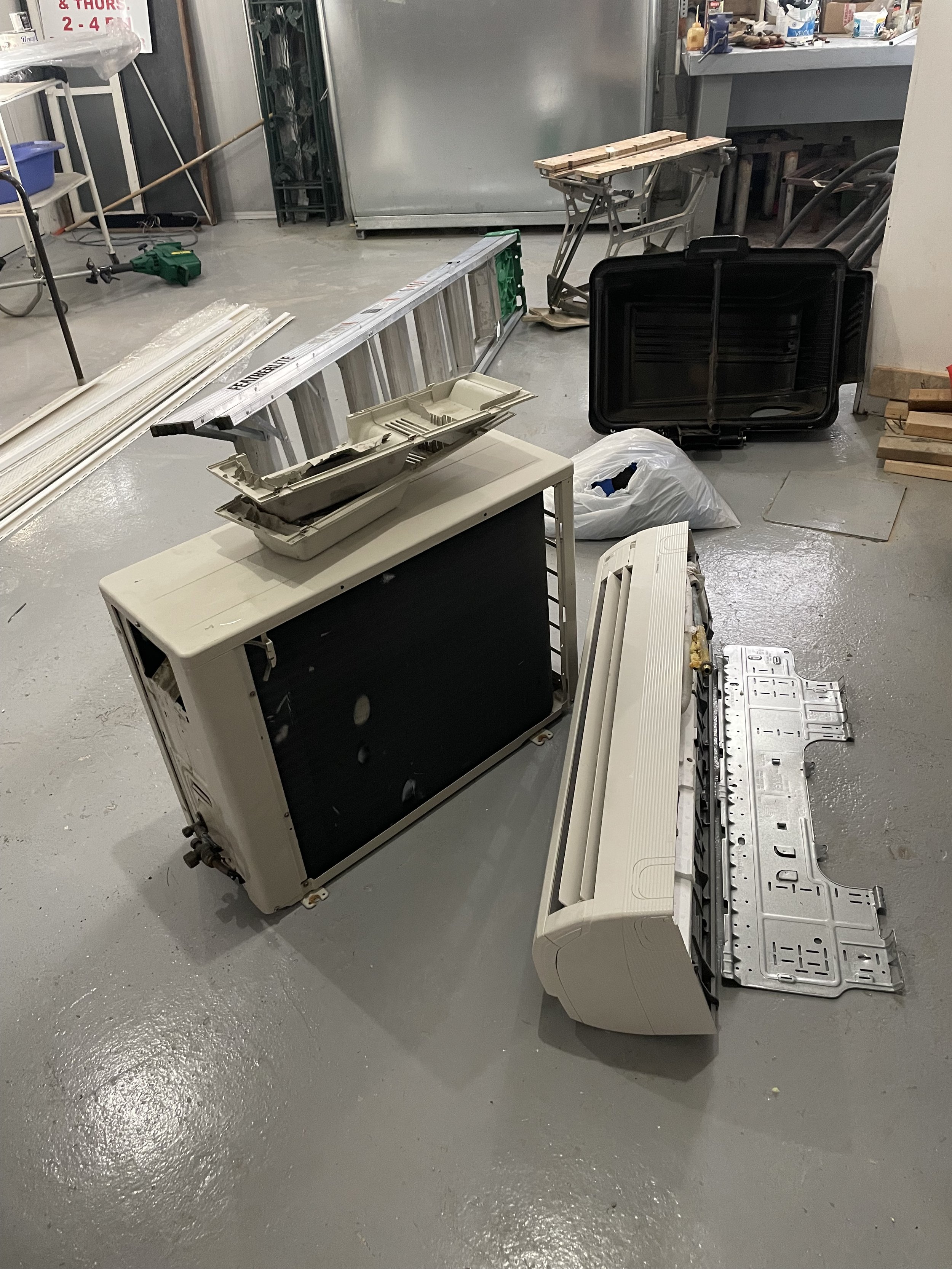
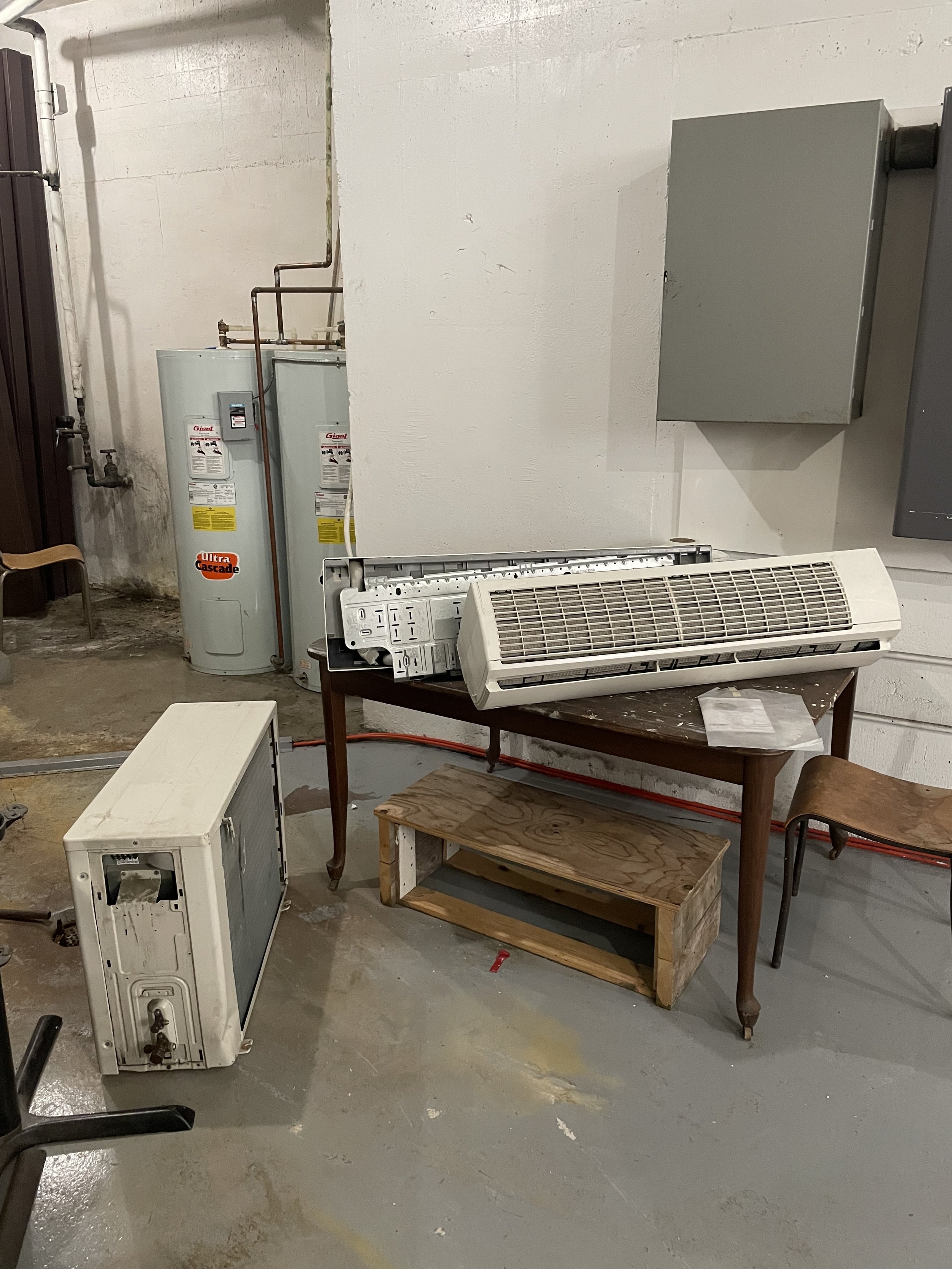
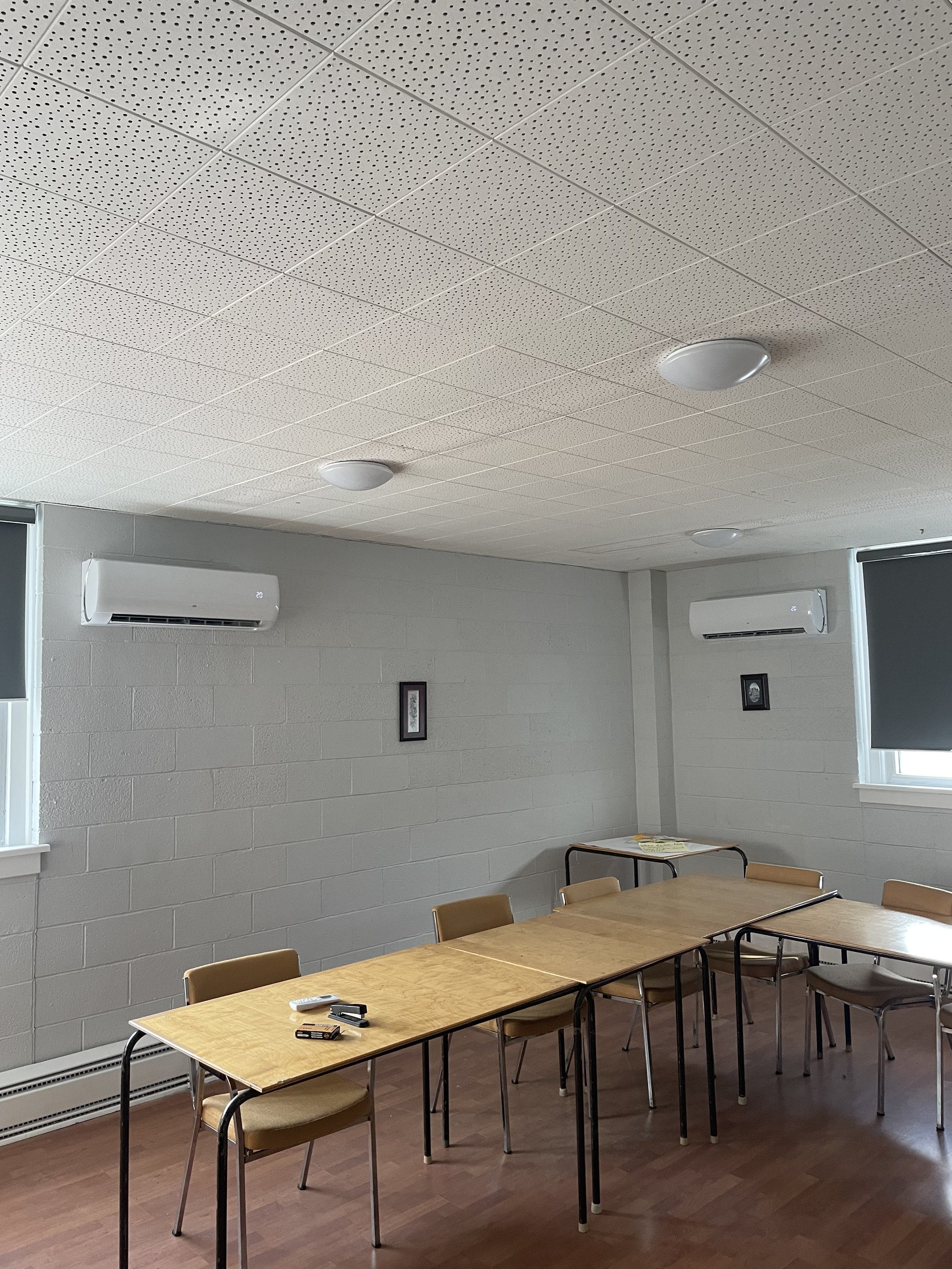
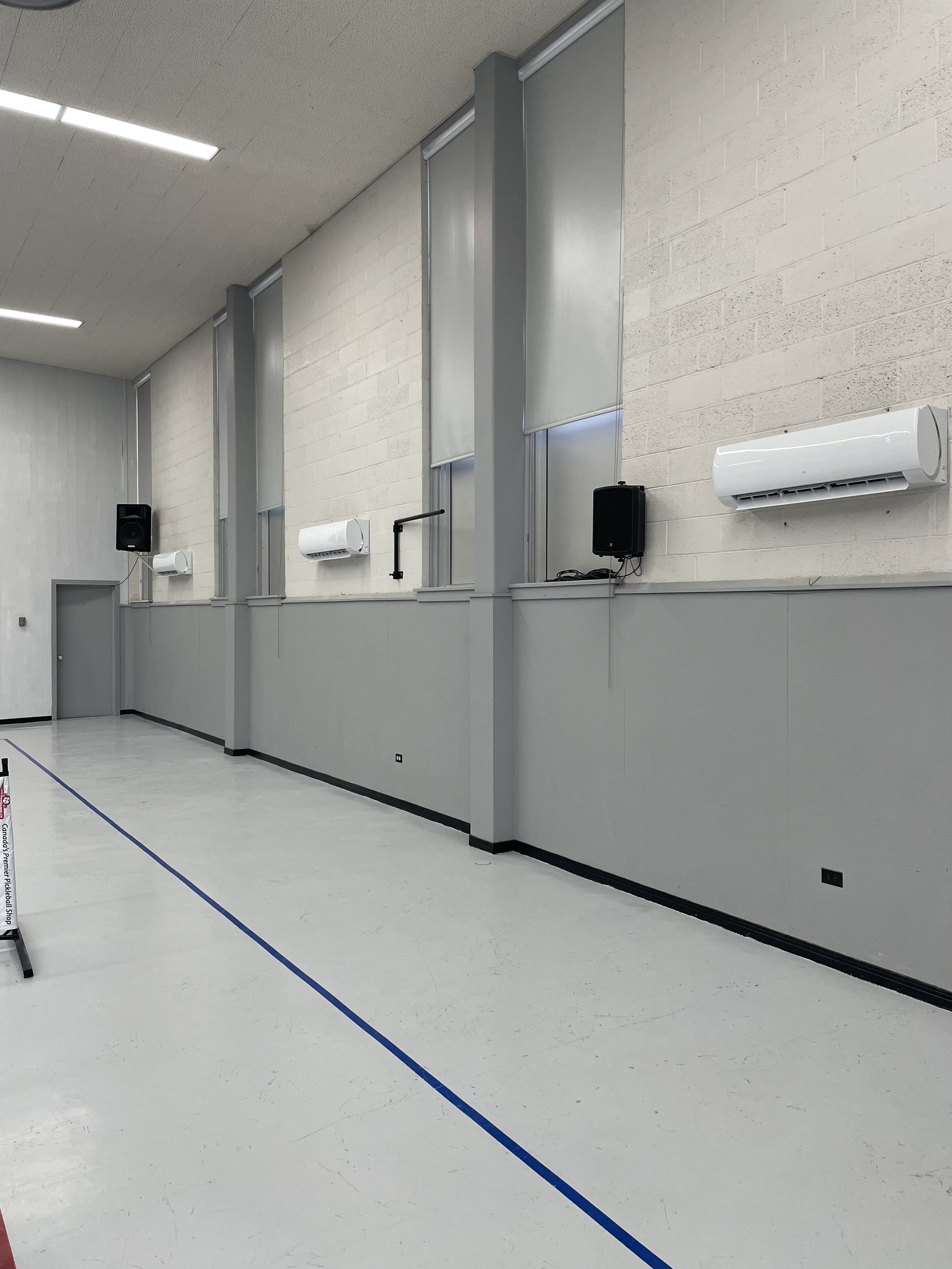
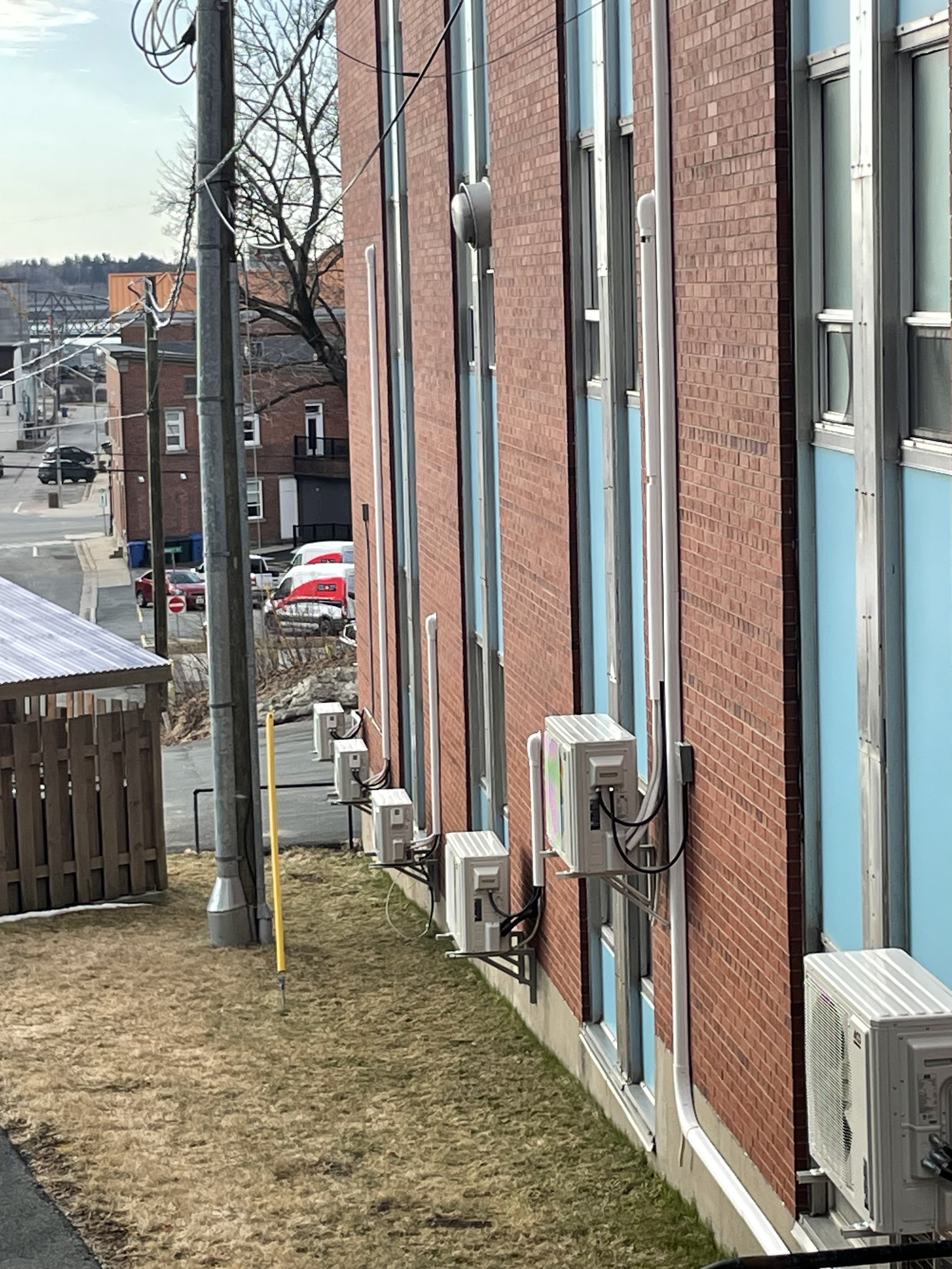
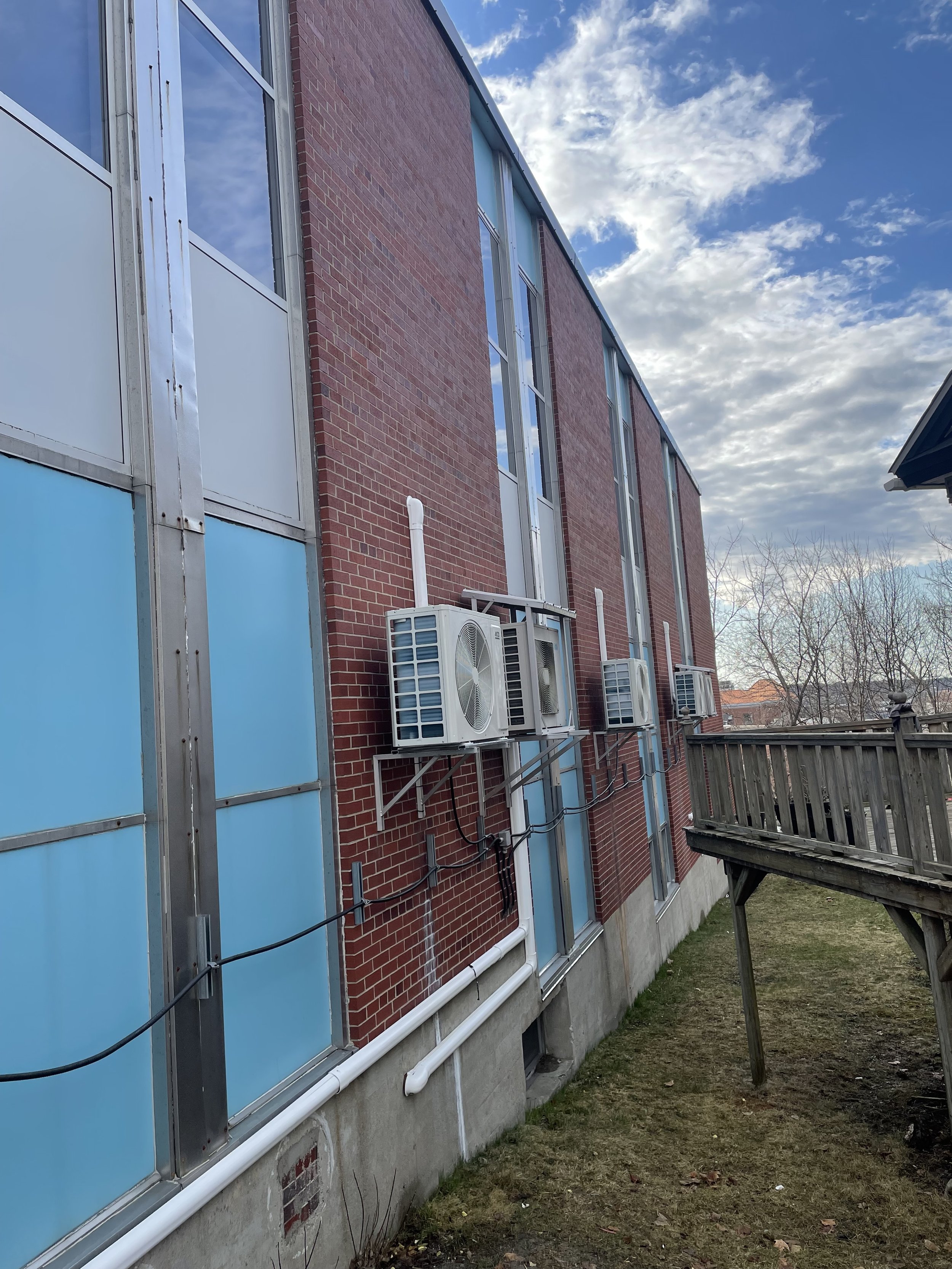
“Installing the heat pumps in our Centre would increase our rental possibilities and allow us to rent a couple of our rooms, bringing in more income. We often have large gatherings that include the congregation and visitors and the planned upgrades would help to provide a more comfortable meeting space.” states Shaddick
Continuing work throughout the Centre
While the heating system upgrade marked a major step forward, St. James & St. John United Church recognizes that further improvements can still be made to enhance the overall efficiency, accessibility, and usability of the Church Centre. Future projects for the Centre include upgrading a basement bathroom, replacing the roof, and installing new, energy-efficient windows throughout the building. Plans are also underway to relocate the minister’s and church administrator’s offices from the second floor to the main level, making them more accessible to aging members and those with mobility challenges. Beyond the Church Centre, the church building itself is in need of exterior painting, with interior updates to follow. These ongoing efforts reflect the congregation’s commitment to maintaining a welcoming, functional, and sustainable space for both its members and the broader community.
Testimonial
“Through the generous support of the Faithful Footprints grant and guidance from the program staff, we were able to install seven new mini splits throughout our Church Centre. These units are not only keeping us nice and warm in the cold months and cool in hotter weather, but also enabling our faith community to lower our carbon footprint. Because of this upgrade we will also have better control of heat in individual rooms throughout our large building compared to our previous central heating system. We will lower our monthly costs and energy consumption, making it all around, more efficient and certainly more appealing to entice new renters.” — Kimberley Shaddick, Office Administrator at St. James & St. John United Church

Powered Up: Park Royal United Installs Electric Charging Station
Energized by the success of their heat pump installation, Park Royal took on another efficiency project by installing an electric charging station for their minister.
For some communities of faith, efficiency extends beyond the walls of their building and into aspects of their church operations. Retrofitting their buildings has brought on curiosity in discovering new opportunities to enhance efficiency and stewardship. This has inspired communities to think creatively about how they can further optimize their resources and serve their community more effectively.
Last month, Park Royal United Church (Charlottetown, PE) received its one-year post-retrofit energy data for the Faithful Footprints funded project they carried out in 2023. The project involved installing seven heat pumps in its sanctuary, entranceway, and the area used by their daycare.
Park Royal United wasted no time and continued to seek additional ways to improve efficiency around its church. Energized by the success of their heat pump installation, Park Royal took on another efficiency project by installing an electric charging station for their minister.


Garth Sanderson, Treasurer at Park Royal United Church shares how the project came about:
"It all started with a phone call from Rev. Christine MacLeod, our minister, about 7 pm regarding church business. During our conversation, I asked her if she was still at the office working. To my surprise, she replied that she was at Hillside Motors (a car dealership) charging her car. My first thought was that we needed a more efficient way for Rev. Christine to use her time. A few days later, I discussed this with a church member who is also an electrician, and the idea was born.
We installed an outside plug suitable for a car charger. Mr. Alan Brown, a dedicated church member, built a secure box with doors around the plug to ensure safety. Rev. Christine had the charging cord and purchased a lock, so she is the only one with access to the plug. The total cost was $480 for the electrician and about $150 for the box supplies, totaling $630.
Rev. Christine and I worked out a payment plan for the electricity used on the days her car is plugged in. To date, this arrangement is working well, proving to be a winning idea for both the minister and the church. Rev. Christine now has a fully charged car when she leaves the office, allowing her to dedicate more time to church business and enjoy some well-deserved free time."
Now fly: Wesley United Church takes the lead in St. Andrews, New Brunswick
Across the country, United Churches are doing their part to address the climate crisis by getting their houses in order and reducing their own carbon emissions. Through a partnership with Faith & the Common Good, the United Church of Canada is offering grants and support for churches to measure their energy use and reduce their climate pollution, in ways that save money and strengthen congregational renewal.
Across the country, United Churches are doing their part to address the climate crisis by getting their houses in order and reducing their own carbon emissions. Through a partnership with Faith & the Common Good, the United Church of Canada is offering grants and support for churches to measure their energy use and reduce their climate pollution, in ways that save money and strengthen congregational renewal. The initiative, called Faithful Footprints is about living climate commitments, for future generations, and for all of creation. To inspire your congregation to get involved, we have stories from participating congregations.

Wesley United Church building is 152 years old and Faithful Footprints allows for renovations and updates while saving money.
Now fly: Wesley United Church in St.Andres, New Brunswick

The treasurer has the pulse of the church,” says Barb Sheen of Wesley United, in the tiny town of St. Andrews, New Brunswick. “We are always looking to reduce our costs.”
When Barb heard about the FF grant and brought it to the attention of the renovation committee, and church board, she secretly thought it sounded too good to be true, “but in our case it was true.”
Prior to the grant, Wesley United had already started a renovation project thanks to receiving a bequest. They had been visioning for two years about how they would use it to benefit the congregation and community at large: “We wanted to think bigger, widen our doors, asking, ‘what can we do to participate, what can we accomplish?’”

The Church building is 152 years old, “so there is no problem to find things to do,” Barb jokes. “As the stars lined up, we lined up.”
They restored some of the stain glass windows, revamped the heating systems, and with the FF grant and a fundraising campaign, they were able to pay for insulating much of the sanctuary, eliminating drafts by caulking the cracks in the original floors and doors and putting in energy-saving lighting in the halls and sanctuary. Of the $155,000 spent on renovations and energy-saving initiatives, they garnered $30,000 back.

Similarly to all the churches in the program, the congregations’ participation was key.
“We invited them all the way, kept the communication alive and they really came on board,” Barb says. With consistent updates at the forefront, “it gave us a real sense of energy use in the church, and to actually see what we were able to accomplish.” Nine months later they had finished the renovations.
“We have spread our wings and will continue to go further as we move into 2020,” concludes Barb. “The Faithful Footprints program has helped us do that.”
Helpful Hand-holding
Preparing a grant application can be daunting, but Stephen Collette, Grant Project Manager for the Faithful Footprints program is here to help! Stephen ensures your application form is properly completed and that your energy efficiency package will actually save you money. Stephen’s assistance helps expedite the application approval process tremendously, with typical turnaround times under two weeks, and often in a matter of days.
The Faithful Footprint program also features support hubs for United Church congregations in the Prairies and Atlantic Canada. “We know that lack of capacity is one of the major obstacles to “Greening” our sacred spaces, so we are proud to be working with Ecology Action Centre in Halifax and Purpose Construction in Winnipeg to pilot how to provide in-person support to United Churches around energy efficiency action,” said Cummings. Guided by regional multi-faith advisory circles, the hubs are lead by local building and energy efficiency experts and aim to connect congregations with municipal and provincial energy incentives, recommend contractors, and foster collaboration among other local places of faith facing similar challenges.
UCC Carbon Baseline Report
The United Church of Canada is committed to reducing its carbon emissions by 80% by 2050, in line with the Paris Climate Targets. With an initial focus on buildings – one of the church’s largest sources of emissions – the program Faithful Footprints will be working with 500 congregations by 2025 to reduce their energy use and energy costs.In 2016 the UCC General Council commissioned Caring for Creation, Our Communities and Our Congregations: The Case for a National Carbon Reduction Program for Faith Buildings. Faithful Footprints is the beginning of implementing those learnings.
As people of faith, we recognize that to bring truly inspiring climate leadership to our communities, we must practice what we preach. Together we can renew our congregations, care for the planet, save money, and stop climate pollution.
Stay tuned for a full feature of Faithful Footprints in the February 2020 edition of the United Church of Canada’s Mandate Magazine.