
BLOGS
Churches across the country are stepping up. Read their stories and access other climate and energy resources here.

Hope United Church upgrades from 1926 steam boiler to energy-efficient heat pumps
Hope United Church in Alvinston, ON took many steps to reduce energy use. However, aging infrastructure led them to finally replace their 1926 steam boiler with a new heat pump system.
Hope United Church located in Alvinston, Ontario has long been mindful of its energy use and heating costs. The congregation has taken intentional steps to reduce consumption including lowering the heat when the building is not in use, encouraging small groups to meet in members’ homes, and even having the minister and secretary work from home offices to avoid heating the entire building.
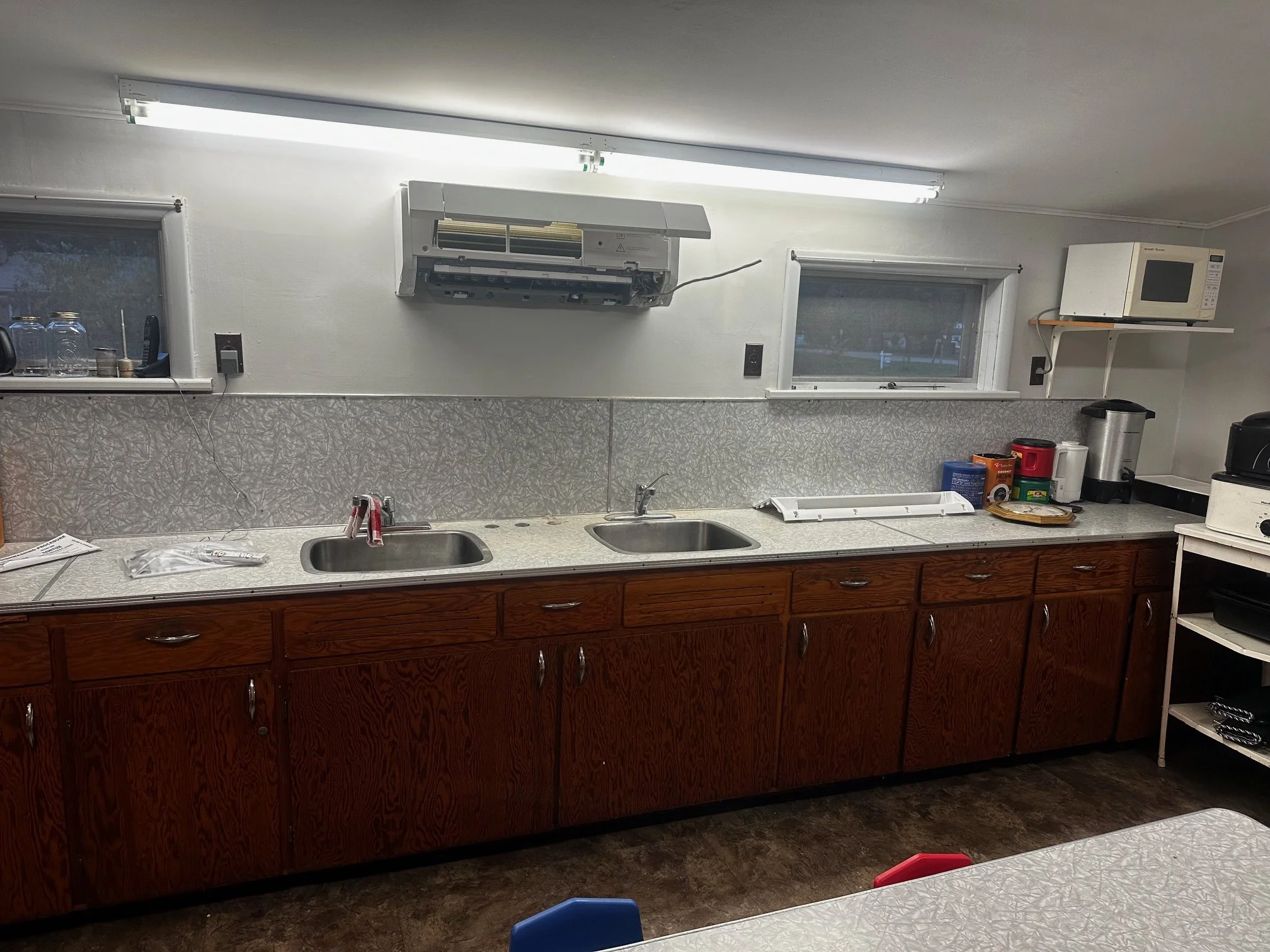
However, despite these thoughtful efforts, the aging infrastructure of the building made energy efficiency increasingly difficult. The steam boiler hadn’t had a major repair since 1985, and the original steam pipes, dating back to a 1926 addition were beginning to fail. New leaks occurred each year at great expense to repair. It became clear to the congregation that it was time to replace the outdated system.
Addressing a long standing issue
Recognizing the need to move away from its aging gas-powered boiler and steam heating system, Hope United began exploring more efficient and sustainable options. To assess the possibilities, they invited four heating contractors to provide quotes and recommendations for various replacement alternatives.
None of the contractors recommended a steam heat replacement. A key reason was the shortage of certified professionals in the area qualified to service steam heating. Instead, the church was presented with several alternative options, including a hot water piping system, a forced air furnace with new ductwork, and an electric heat pump system, each offering varying levels of efficiency, cost, and complexity.
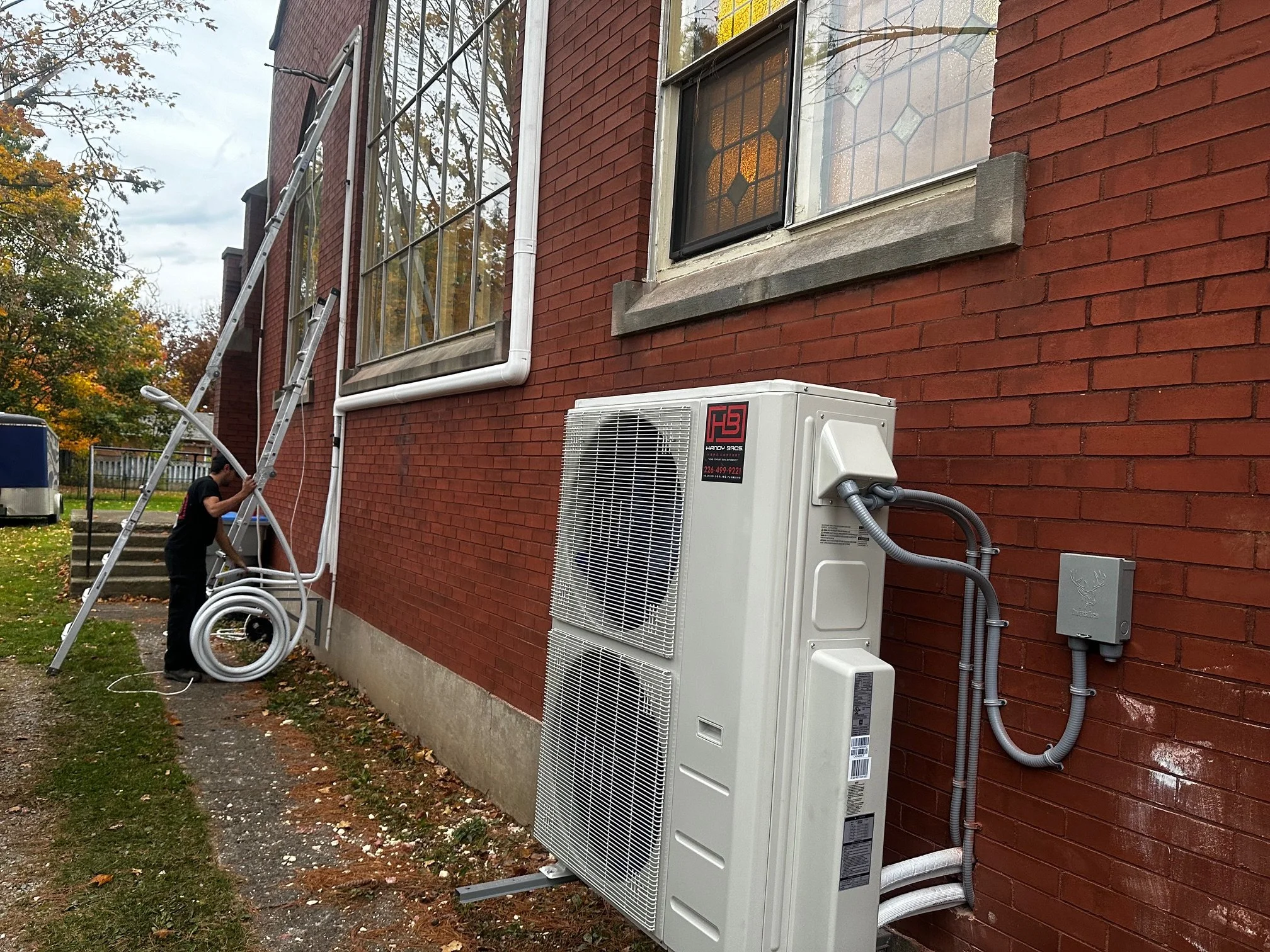
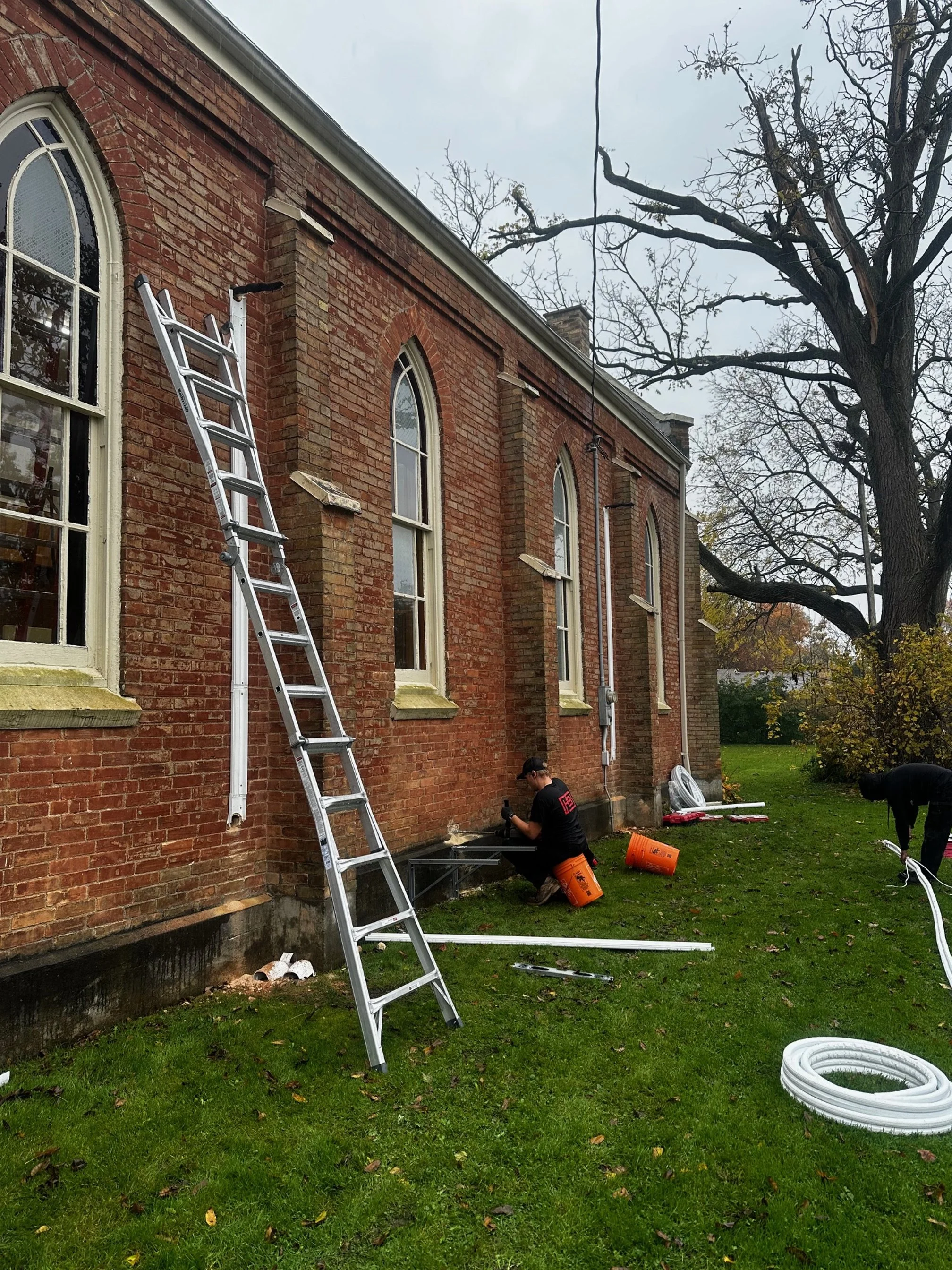
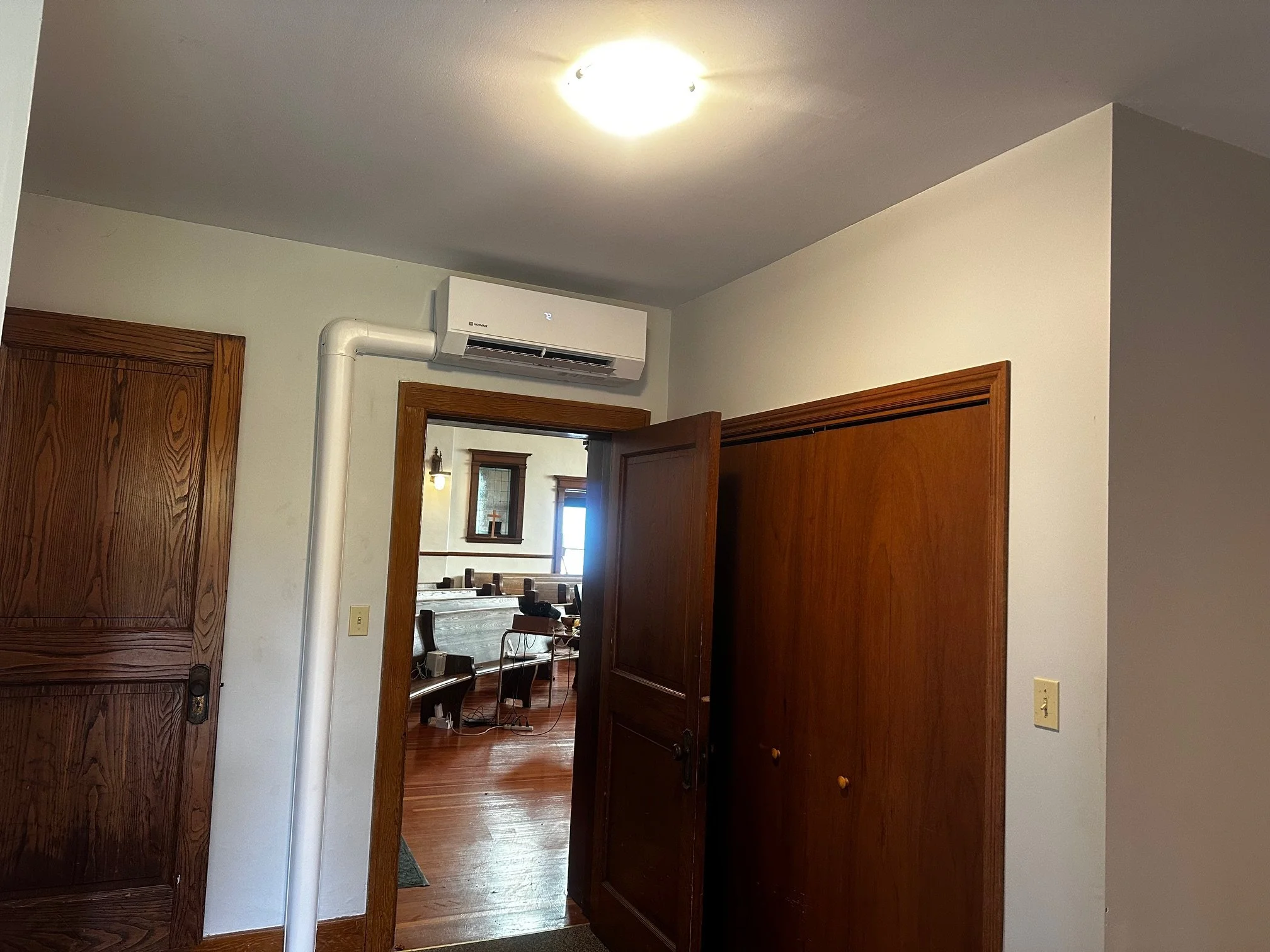
The church selected an electric heat pump system with five independent heating zones throughout the building, recognizing it as the most modern and energy-efficient replacement out of the suggestions.
“While the quotes for each option were somewhat competitive, we had decided that a heat pump solution would be the best choice so that we can move away from fossil fuels. With nine indoor heat pumps installed we would also be able to heat the church in zones and only heat the rooms that are being used by the congregation”





Funding the heating replacement
To fund the replacement of its outdated heating system, Hope United Church relied on both external grants and the generosity of its congregation. The church received a quote from Handy Bros Home Comfort to fully heat and air condition the building using an electric heat pump system at a total cost of $57,880.86.
Hope United received a $30,000 Faithful Footprints grant to support the project. To help cover the remaining project costs, the church has launched a special furnace fund donation appeal, mailing over 100 letters to members and adherents. Many in the Hope United community had come on board to support the much-needed heating upgrade following an announcement from the pulpit. A generous offer has also been made by a congregation member to provide a short-term loan to help manage any temporary cash flow as fundraising efforts continue.
“Although our congregation is small, we were confident that we would be able to raise the additional funds required to pay for the switch to green energy through a fund raising campaign within our congregation and the community”
Testimonial
“We are delighted to have worked with Faithful Footprints to replace our steam boiler system with a completely new heat pump system. After accumulating some memorial donations that were earmarked for building improvements, in January 2023, our congregation requested that the Official Board look for energy saving improvements to the church. Initially the focus was to look at increasing the insulation in the building. While looking for financial assistance, we came across the Faithful Footprints grant program and it changed our perspective. With a grant available through the United Church of Canada program, we were able to install heat pumps.”

Envisioning the future: Camp Kee-Mo-Kee’s seeks guidance towards sustainability
Responding to growing concerns about global warming, Camp Kee-Mo-Kee has made sustainability a strategic priority and has set out ambitious goals as part of its vision for the future.
Nestled within an environmentally protected Carolinian Forest and bordered by Komoka Creek, Camp Kee-Mo-Kee in Komoka, Ontario, has integrated environmental stewardship as a core value. Guided by its tradition of holding nature sacred, the camp fosters a deep respect for the environment among campers and visitors. In recent years, this commitment has extended beyond programming to facility management, guiding efforts to enhance sustainability, upgrade infrastructure, and reduce the camp’s environmental footprint.
Camp Kee-Mo-Kee spans over 2,100 square meters across 13 buildings, including 8 cabins, a craft lodge, a dining hall, and an outdoor chapel. Within the past decade, the camp has integrated environmental stewardship into its facility management practices. From 2018 to 2021, Camp Kee-Mo-Kee's Board of Directors led the Revitalize Kee-Mo-Kee Campaign, funding key capital improvements. Upgrades included new windows, lighting, and automatic doors in the Craft Lodge and Dining Hall, a new utility building with showers and water treatment, and improved ventilation across all buildings.
Making sustainability a priority in how they operate
Responding to growing concerns about global warming, Camp Kee-Mo-Kee has made sustainability a strategic priority and has set out ambitious goals as part of its vision for the future. The camp’s Strategic Plan prioritizes becoming both a Sustainable and a Four-Season Organization. Over the next decade, the camp aspires to operate year-round by upgrading infrastructure and implementing environmentally controlled buildings. As part of this plan, the camp aims to reduce greenhouse gas emissions by at least 80% within five years. Currently, the camp relies on propane as its primary operational energy source for water heating and cooking. The transition plans include implementing a solar thermal hot water preheat system for domestic use that will also provide supplemental space heating during the winter.
Navigating barriers to sustainability
Due to its environmental designation and remote location, Camp Kee-Mo-Kee encounters unique challenges when it comes to becoming a year-round-facility and implementing green building upgrades. As an environmentally protected area, any facility changes must comply with strict guidelines, which limit expansion and significant structural modifications. Additionally, its remote location—over 500 meters from municipal infrastructure in a wooded area — adds additional barriers to implementing upgrades. With a six-month operational season, the camp also remains closed and unheated during its off-season, experiencing extreme temperature fluctuations – requiring durable equipment capable of withstanding long periods of inactivity and extreme weather conditions. Recognizing the challenges, the board remained committed to making impactful changes to help achieve its strategic goal.
“This plan obliges us to continue to grow the organization in a responsible manner - fiscally, environmentally, socially and with accountability. The board was certain a significant difference could be achieved by converting decommissioned equipment to more energy efficient appliances and phasing out the use of propane fuel.”
Seeking guidance and support
Given its unique situation, Camp Kee-Mo-Kee sought guidance from local subject-matter experts and community organizations to identify opportunities for minimizing the environmental footprint of its facilities and making informed, eco-conscious purchasing decisions.
In 2022, the camp conducted a comprehensive energy audit using the Faith & the Common Good’s DIY Guide, consulted industry professionals on energy use and optimization, and hired an engineer to assess and review a proposal to convert their propane water heating to electric as well as provide recommendations for electrical upgrades to support future infrastructure improvements.
The review provided a general assessment of the Camp’s propane-fired domestic hot water services throughout the property. The assessment provided potential revisions to the domestic hot water system to reduce carbon emissions and provided a general assessment of the Camp’s electrical service and its expected capacity as it relates to future projects.
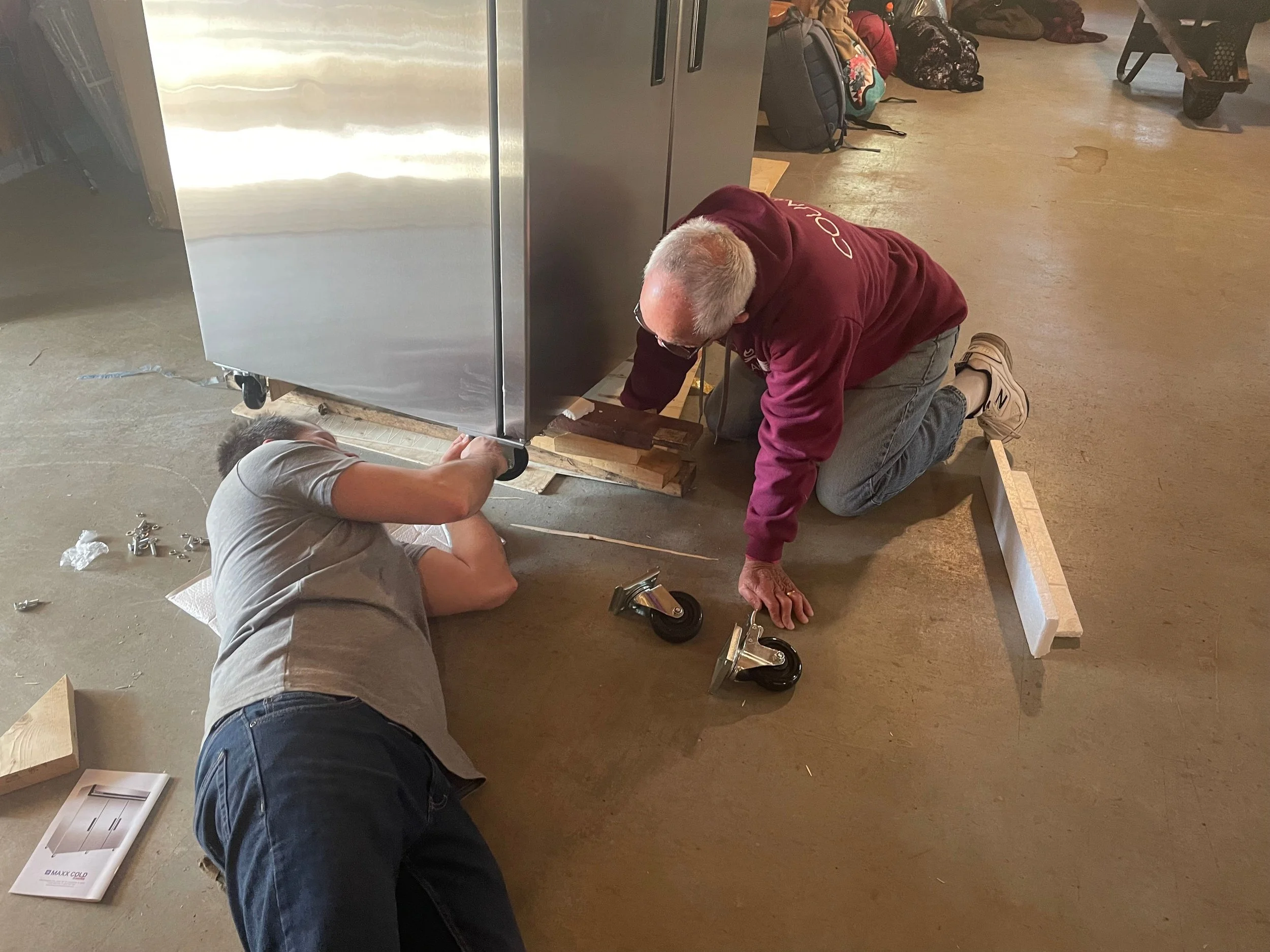
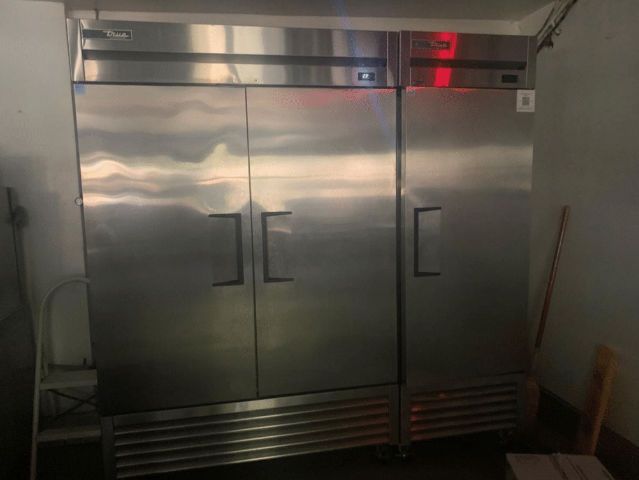
In March 2023, leveraging budgeted capital, funds from the Revitalize Kee-Mo-Kee Campaign, and support from the Faithful Footprints grant program, Camp Kee-Mo-Kee proceeded with recommendations and implemented key infrastructure upgrades. The camp replaced its aging commercial refrigerator and freezer with ENERGY STAR-rated appliances and transitioned from propane-fueled water heating in the Craft Lodge and two other buildings to smaller, ENERGY STAR-rated hybrid heat-pump electric water heaters.



Author: Aleyxa Gates - Julien

In the Nick of time: Glenwood United's Timely Rescue by Faithful Footprints
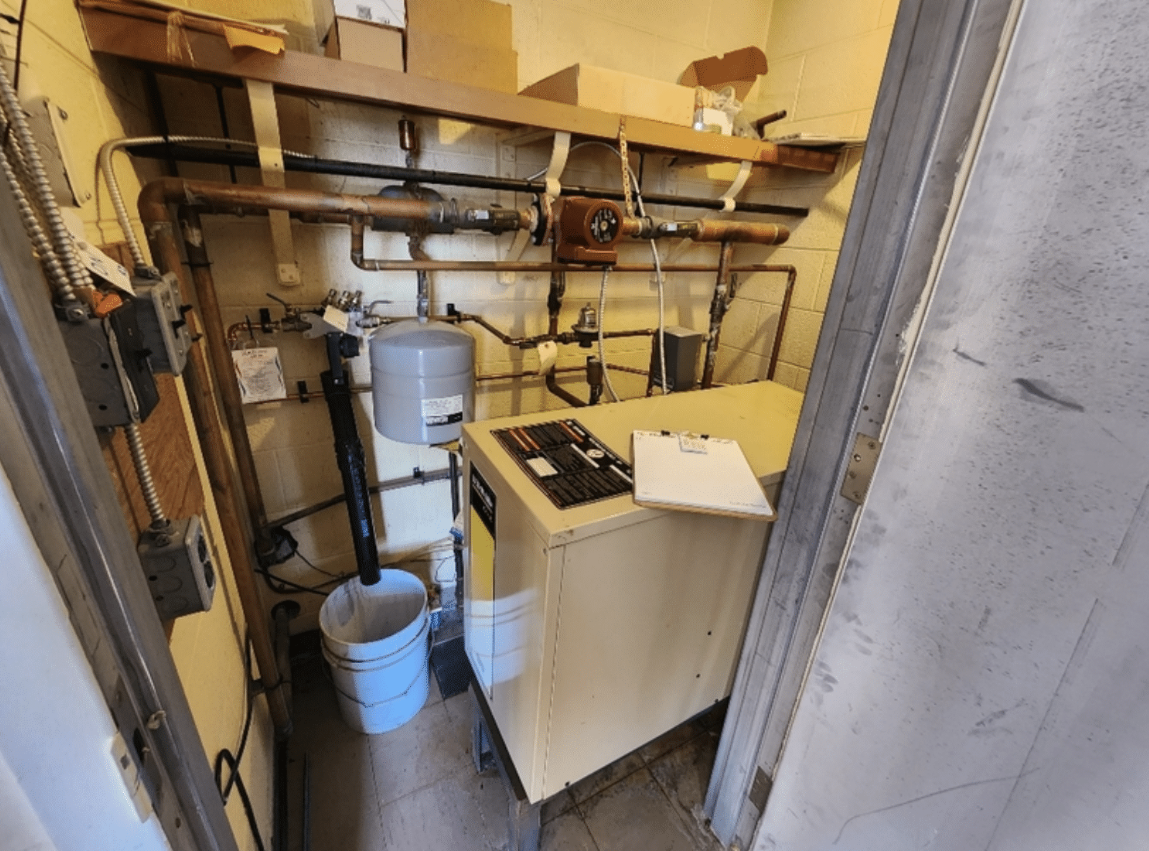
In 2023, United Churches encountered an unexpected challenge when their boilers broke down, resulting in an urgent need to replace them. Glenwood United Church sources out Faithful Footprints funding to replace its boilers rapidly approaching the end of their 25-year lifespan.

Boilers play a vital role in churches by providing essential heating during services, gatherings, and events, ensuring the comfort and well-being of worshippers, especially in colder climates or during winter months. In 2023, several United Churches encountered boilers that broke down unexpectedly. During times of urgent building repairs, grants like Faithful Footprints make a significant difference by alleviating anxiety about funding necessary upgrades and renovations, ensuring that churches can continue to serve their communities effectively.
Nearing the end
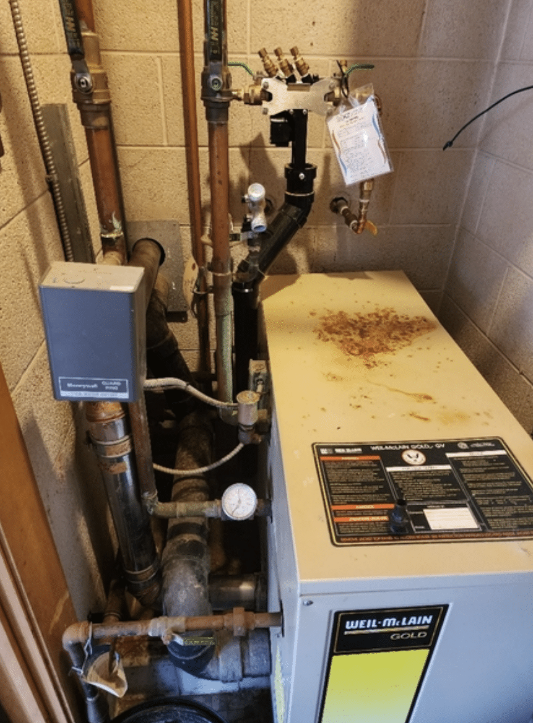
Despite having undergone repairs to their existing boilers in 2022, Glenwood United Church in Windsor, ON, faced the harsh reality when they were informed that their units were rapidly approaching the end of their 25-year lifespan, with spare parts becoming increasingly scarce. Operating at a mere 68%-72% efficiency, the two boilers servicing the sanctuary demanded attention. Despite ongoing fundraising efforts over the past three years and a current special appeal for the boilers, the sudden urgency to replace the boilers created a sense of urgency. In response, the church sought to secure sufficient funds to cover the project's cost post-installation.
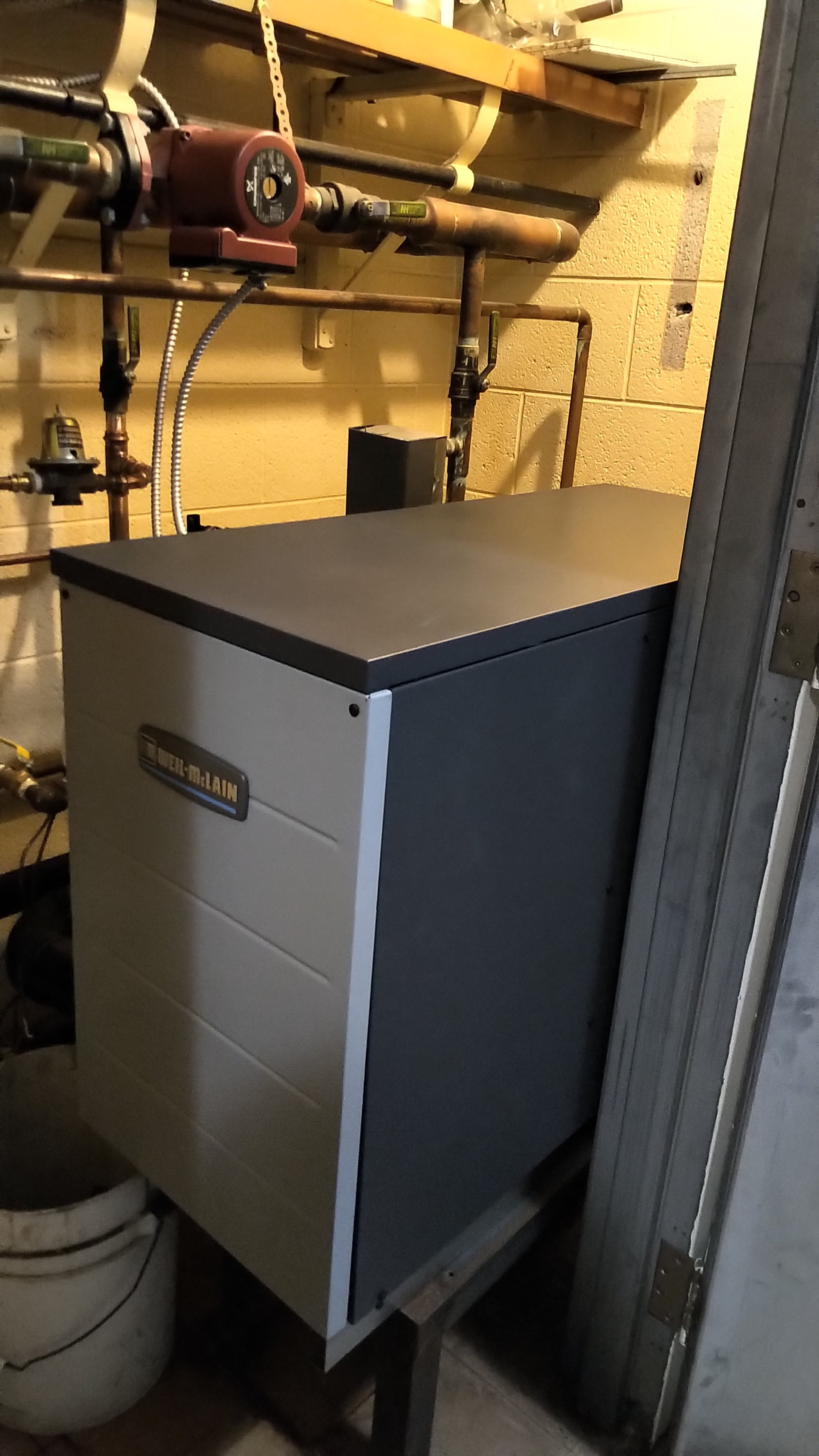
Recognizing the need for repair, Rev. Catherine Collins Barker introduced the Faithful Footprints program to the property committee, which voted to pursue funding for the boiler replacement. This financial support would help fund the installation of high-mid efficiency (91%) gas-powered hot water boilers with a life expectancy of 20-30 years, ensuring continued comfort and functionality for the congregation while also reducing environmental impact.
“By replacing the boiler in the summer, we would minimize the impact of a possible failure during the critical heating months for the congregants.” Rev. Dr. Catherine Collins-Barker.
Quick Turnaround
With the clock ticking, the community at Glenwood United sprang into action to prepare for the boiler replacement. While the application was sent off, the community at Glenwood United made every effort to prepare for the replacement.
Congregants working on the project obtained multiple quotes from reputable contractors and diligently reviewed equipment bids to ensure that fair pricing was received for products that would have a long operating life. Despite challenges, including unexpected costs and revised timelines, the community remained resilient.
“We contacted three plumbing companies for quotes, and because of lower costs and prior experience, we opted for RFG plumbing. On July 5th, 2023, RFG replaced our gas water heater with an electric one; which was one of the items in the grant application. At about that time, RFG estimated that delivery of the boilers would take 6 to 10 weeks. Shortly after, they came back with a revised estimate of 2 weeks” Bob Pickle, Property Chair at Glenwood United, “We told them that we would not have the money that soon. They advised that if we could pay another $7000, they would install one boiler and we could have the second one installed whenever we had the money. This was paid and one boiler was installed in July. It was hoped that the balance required for the second boiler could be raised before the fall heating season began.”
A Timely Rescue
In the nick of time, just in time before the fall, Glenwood United received the much-needed Faithful Footprints grant. The church had the contractor immediately install the second boiler, securing the church's heating system for the upcoming seasons.
Faithful Footprints Program
The United Church of Canada’s Faithful Footprints program offers inspiration, tools, and grants to help its faith communities reduce their carbon footprint. With the Church’s commitment to reducing its greenhouse gasses (GHG) emissions by 80% by 2030, this one-of-a-kind program offers up to $30,000 in grants towards energy conservation and renewable energy projects (conditions apply).
Faith & the Common Good is the delivery partner for the Faithful Footprints program. To date, we have engaged over 400 congregations, camps, and buildings across the country. Your participation in the program puts your faith into action and helps the Church reach its target.