
BLOGS
Churches across the country are stepping up. Read their stories and access other climate and energy resources here.

Whitehorse United’s comprehensive energy study leads to biggest upgrade yet
Conducting a comprehensive energy study can reveal new opportunities and strategies to improve building efficiency. An assessment at Whitehorse United Church in Whitehorse, Yukon led to the church’s largest energy project to date, a full HVAC upgrade incorporating air source heat pump technology.
Energy upgrades and building projects can significantly reduce energy consumption and carbon emissions, but sometimes the most innovative approaches aren’t obvious. Conducting a comprehensive energy study and building assessment can reveal new opportunities and strategies to improve efficiency that may not have been previously considered. At Whitehorse United Church in Whitehorse, Yukon, this approach led directly to the congregation’s largest energy project to date, a full HVAC upgrade incorporating air source heat pump (ASHP) technology.
Rebuilt in 1993–1994 after a devastating fire, its building was constructed to above-code efficiency standards, including R28 walls, temperature-controlled cycling block heater outlets, and T8 fluorescent lighting. For the past decade or so, the congregation has continued to undergo a handful of energy saving upgrades to lower both consumption and operating costs, as well as intentional routine maintenance and repairs.
Projects have included:
2012 – Installed LED sanctuary lighting.
2015 – Renovated the kitchen with LED lighting and Energy Star–rated appliances.
2016 – Commissioned a study from a local engineering firm to explore alternatives to the oil heating system, identifying HVAC upgrades that could reduce oil use.
2017 – Further studied non-fossil fuel heating options before replacing the underground oil tank with an above-ground storage system.
2018 – During a roof replacement, upgraded insulation from R40 to R68.
2018–present – Tested and adopted various LED lighting alternatives throughout the building.
Identifying new opportunities through a comprehensive study
Whitehorse United Church’s commitment to sustainability ultimately led to one of its largest renovation projects to date after a comprehensive energy assessment. Between 2019 and 2021, the church commissioned a detailed engineering study to develop a plan, outlining which projects could be managed by in-house volunteers and which exceeded the congregation’s capacity, requiring advanced engineering, outside expertise, and additional funding.
The study identified the integration of air source heat pump (ASHP) technology as a new opportunity to further reduce the church’s fossil fuel consumption. Implementing HVAC upgrades with ASHPs represented the largest and final step in the comprehensive energy upgrade plan.


Beyond past improvements
While the church had invested years of effort and resources, much of the cost for this HVAC upgrade was not accounted for in the original project budget. Smaller-scale improvements and upgrades were largely funded and completed in-house. These included ventilation adjustments, the conversion of T8 fluorescent lighting to ballast-free LED tubes, and other modest measures. The church allocated over $26,000 from Special Gift Funds (bequests) to in-house improvements and the detailed engineering work needed for the HVAC upgrades. Additional funds were also raised internally by the congregation to support these efforts. Despite these contributions, Whitehorse United required external support to carry the full HVAC upgrade through to completion
Making the final step possible
For the HVAC upgrade, the church sought external support. Whitehorse United Church established a strong relationship with the Yukon Government’s Energy Solutions Centre (ESC), which offered up to 40% capital cost rebates for qualifying energy efficiency measures. Working closely with the ESC team, the church secured available rebate funding and maximized its eligibility. In addition, the church submitted a $75,000 funding application to the Yukon Government’s Community Development Fund to help cover project costs, benefiting from its status as a facility regularly used by local community and charitable groups. Grant funding through Faithful Footprints further supported the HVAC work, covering the replacement of analog system controls with a modern automated system, insulation of cold air ducts, installation of insulated airflow control dampers, and the addition of two cold-climate air source heat pumps, one in the sanctuary and one in the church hall in the basement.
Faithful Footprints Program
The United Church of Canada’s Faithful Footprints program offers inspiration, tools, and grants to help its faith communities reduce their carbon footprint. With the Church’s commitment to reducing its greenhouse gasses (GHG) emissions by 80% by 2030, this one-of-a-kind program offers up to $30,000 in grants towards energy conservation and renewable energy projects (conditions apply).
Faith & the Common Good is the delivery partner for the Faithful Footprints program. To date, we have engaged over 500 congregations, camps, and buildings across the country. Your participation in the program puts your faith into action and helps the Church reach its target.

A Long-Anticipated Upgrade: Salisbury United Replaces over 100 Lights
Some renovation projects are talked about long before they happen. Salisbury United finally executes a long-anticipated upgrade of over 100 lights throughout its entire building.
Some renovation projects are talked about long before they happen. They might not be fully planned out, but there's a shared understanding among the church community and staff that these building updates are needed and will eventually get done. When the time finally comes and resources are available to address these projects, it’s an exciting time for the church.
Salisbury United Church located in Sherwood Park, Alberta experienced this feeling when they executed a long-anticipated upgrade of over 100 lights throughout its entire building.
Bringing the Project to Light
Caring for their building and ensuring its functionality is a commitment of Salisbury United. They describe their building as a key ministry tool for the congregation, serving the Salisbury United community as well as several other community groups and a growing Filipino church.
The idea to completely replace the lighting inside the building’s 1950s and 1980s sections had been on the church’s radar for a while. The project included replacing over 100 fluorescent and incandescent lights in its Sanctuary, office, program and daycare areas with LEDs and replacing two parking lot street lamps.
“We share our church with a Filipino congregation, house numerous community groups, offer a home to a Daycare with almost 100 children attending and provide cost-effective support to those community groups which have returned to use our facility, including Brownies and Karate, both of which support children, youth and families – This project was an investment in the continued life of those groups as well as in our ability to house the congregation of Salisbury United Church,” says Brian McCarthy, Property Chair, Salisbury United
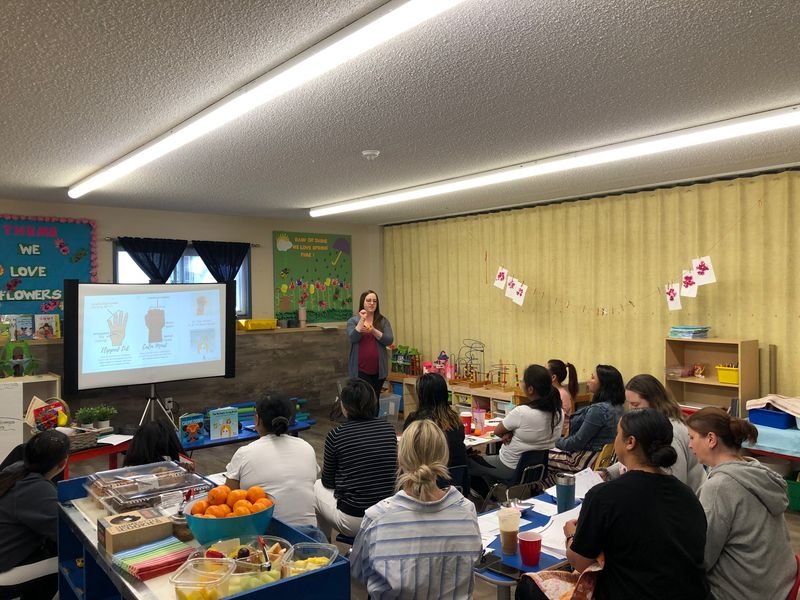
When the time came around, Salisbury United faced little hesitation in finally undertaking this project, given the age of their fixtures and the need to enhance the building's sustainability. The Board was onboard and at a congregational meeting to approve their 2023 budget, the congregation was informed of the project's necessity and expressed their support.
Prepared and Ready
Knowing that new ministry and building updates like this would eventually be needed, Salisbury United set up the Cornerstone Fund years ago. This fund, built from memorials and other donations, was put aside specifically for new ministry work and property projects. Because of this planning, the Cornerstone Fund had just enough money to cover the remaining costs of the project after receiving support from the Faithful Footprints program and Government of Alberta equipment rebates. As a result, the church didn’t need to do any additional fundraising. This preparedness was helpful as the church had seen a drop-off in financial participation by supporters who were occasional or annual attenders as well as losing renters after the pandemic.
Before starting the project, Salisbury United anticipated a few challenges. They knew they could not handle any physical or technical aspects, so they wanted a turnkey solution from a contractor. With several renovations over the years, they were aware that their electrical drawings were outdated and connected with a contractor experienced in working with older church buildings.
The church also had to consider its Daycare program, which operates five days a week from 6 AM to 5 PM in the basement, and the after-school care program on the main floor. They needed a contractor who could work around these schedules, including off-hours if necessary.
One unexpected issue was that the main contractor couldn't replace the yard lights due to not having a picker truck. With the lights out and parents needing to navigate a dark and busy parking lot for pick-up and drop-off, Salisbury United brought on another contractor to handle the repair and include it in the overall lighting upgrade project.

A Brighter Space and Reduced Electricity Use
Salisbury United Church successfully completed the LED lighting upgrade turning their sanctuary into a brighter, more welcoming space. The new lights are significantly brighter and offer adjustable intensity and wavelength for various activities and events. Areas that were previously in shadow, such as the chancel, communion table, and pulpit, are now well-lit and easily visible from all angles.
"Before the upgrades, users of these spaces never realized just how dull the old lights were," says McCarthy.
In addition to aesthetics, the upgrade is three times more efficient than the previous lighting system, saving the church 26,685 kWh of electricity annually—equivalent to a cost savings of approximately $5,500 per year. This improved efficiency reduces the demand for energy generation and significantly cuts down on maintenance costs. Church staff no longer have to replace failed tubes and ballasts monthly, eliminating waste streams containing harmful substances like mercury and PCBs.
Additionally, the installation of new yard lights has improved the illumination of the parking lot, improving safety and security, especially during Alberta's long, dark winters.
A year after the project was completed, Salisbury United Church achieved a remarkable 40.1% reduction in electricity usage.

Future Plans
Looking ahead, there are other projects that Salisbury United will be considering which include insulating the sanctuary roof or upgrading the two double-door entrances, which are currently single-pane glass. These updates have been on the church’s radar, and once the timing and resources align, the community will work towards making these improvements to their building.
Faithful Footprints Program
The United Church of Canada’s Faithful Footprints program offers inspiration, tools, and grants to help its faith communities reduce their carbon footprint. With the Church’s commitment to reducing its greenhouse gasses (GHG) emissions by 80% by 2030, this one-of-a-kind program offers up to $30,000 in grants towards energy conservation and renewable energy projects (conditions apply).
Faith & the Common Good is the delivery partner for the Faithful Footprints program. To date, we have engaged over 500 congregations, camps, and buildings across the country. Your participation in the program puts your faith into action and helps the Church reach its target.

More than Swapping Out Boilers: Fifth Avenue Memorial's Heating System Upgrade
In 2019, Fifth Avenue Memorial faced another critical project when its heating system unexpectedly failed. The scope of the replacement became larger than just simply swapping out its boiler and included a complete overhaul of its existing heating system.
Fifth Avenue Memorial United Church in Medicine Hat, Alberta has consistently demonstrated a willingness to step up and support important building projects in times of necessity. Historically, congregants have banded together to gather tens of thousands of dollars in a relatively short timespan. This collective effort has helped address projects such as the replacement of the church’s original roof, the repair and tuning of its pipe organ, and the restoration of its stained glass windows.
In 2019, the 1923-built church faced another critical project when its heating system unexpectedly failed.

Fifth Avenue Memorial United’s custodian’s dismay as she examines the damage to their failed steam boiler.
It all had to go
When the damage of their steam boiler system was assessed, it became evident that obtaining replacement parts would take between 8 to 10 months, and they would come at a steep price. It was revealed that even after repairs, ongoing maintenance would be necessary annually or biannually for the foreseeable future. Fifth Avenue Memorial United faced a daunting reality. The scope of the replacement became larger than just simply swapping out its boiler.
“It all had to go – The only realistic option was a total replacement. The old steam pipes were developing more pinhole leaks, the pipes were getting clogged up with corrosion and deposits, and the steam traps were, as often as not, corroded open, corroded shut, or corroded partially open.” explained Geoff Coley, Board Chair, Fifth Avenue Memorial United Church.
As a complete overhaul, Fifth Avenue Memorial United decided to replace its old, failed single steam boiler with a new hydronic heating system, with a set of three new and smaller, high-efficiency hot water boilers. This project would also involve all of the existing steam piping, steam traps, valves, and fittings being removed and replaced as needed along with removing the radiators in its basement.
“While the bigger than expected project came at an increased cost, the result is a system which is far more energy efficient than a simple boiler swap. Having three smaller boilers instead of just one gives us a safety net. If one boiler completely and suddenly fails, we will not be left without heat in the dead of winter while repairs are done.” noted Coley.
Delay in acquiring equipment & prolonged building shutdown
Upon receiving project funding approval of $30,000 from Faithful Footprints to help offset the total cost of nearly $200,000, Fifth Avenue Memorial United began their project immediately — amidst the challenging time of COVID-19.
The global supply chain disruptions led to delays in acquiring equipment, leaving parts of the building unheated throughout the winter months.
“We had a good part of one winter where we had exactly zero gas heat in the building - the old boiler had gaping holes in it and the replacement boilers had not yet arrived.”
Innovative solutions were implemented, including the relocation of activities to warmer spaces and the use of winter coats and electric heaters.
“The unfortunate timing of the heating system failure during the COVID-19 pandemic forced prolonged building shutdowns. This resulted in us having to work very hard to re-engage people to return to full attendance, full participation, and full giving. Fortunately we have a core of very faithful and dedicated people of all ages who are fully committed to seeing us rebuild and continue our mission.” shared Coley.
A Transformation in Heating Efficiency
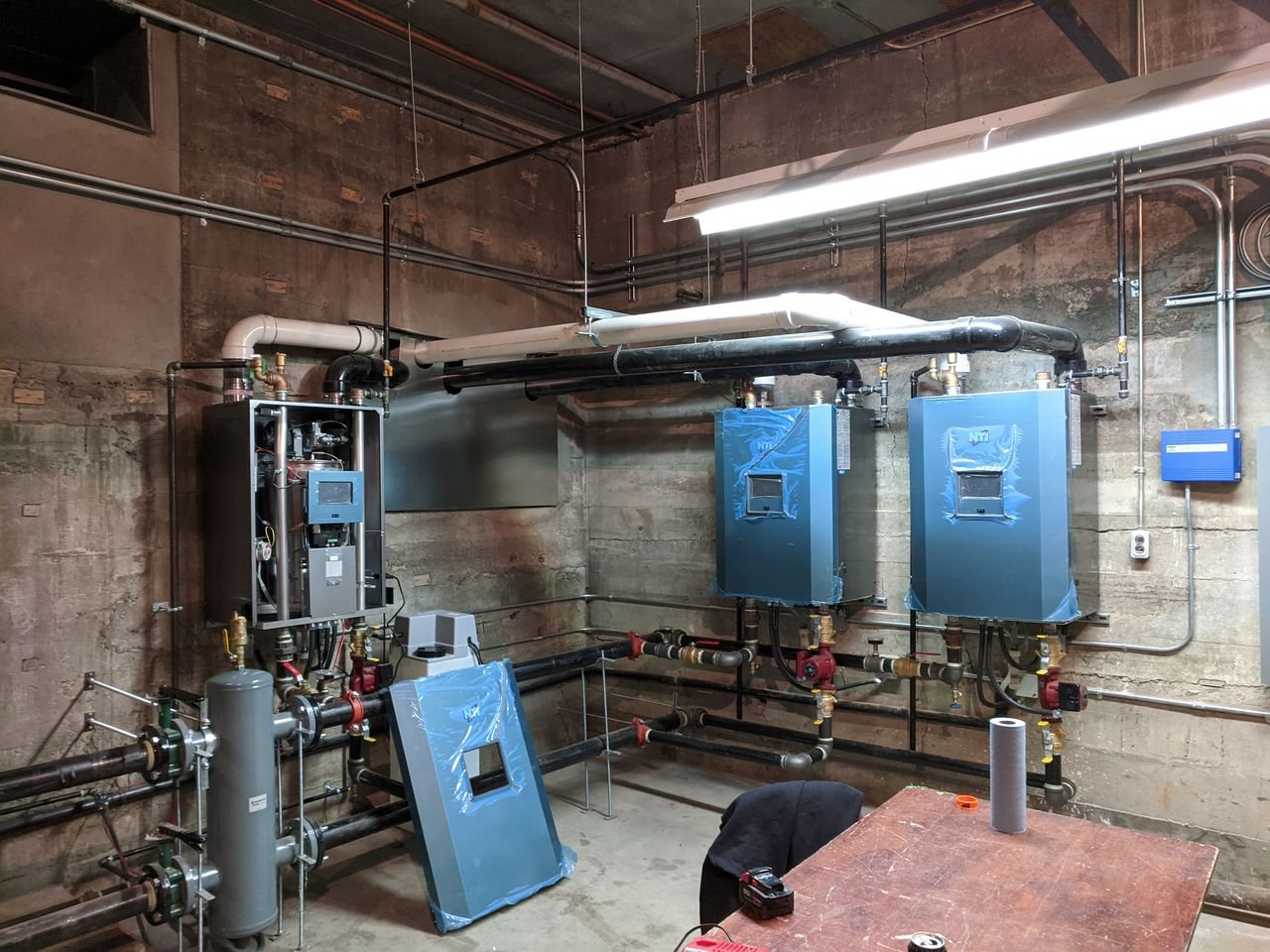
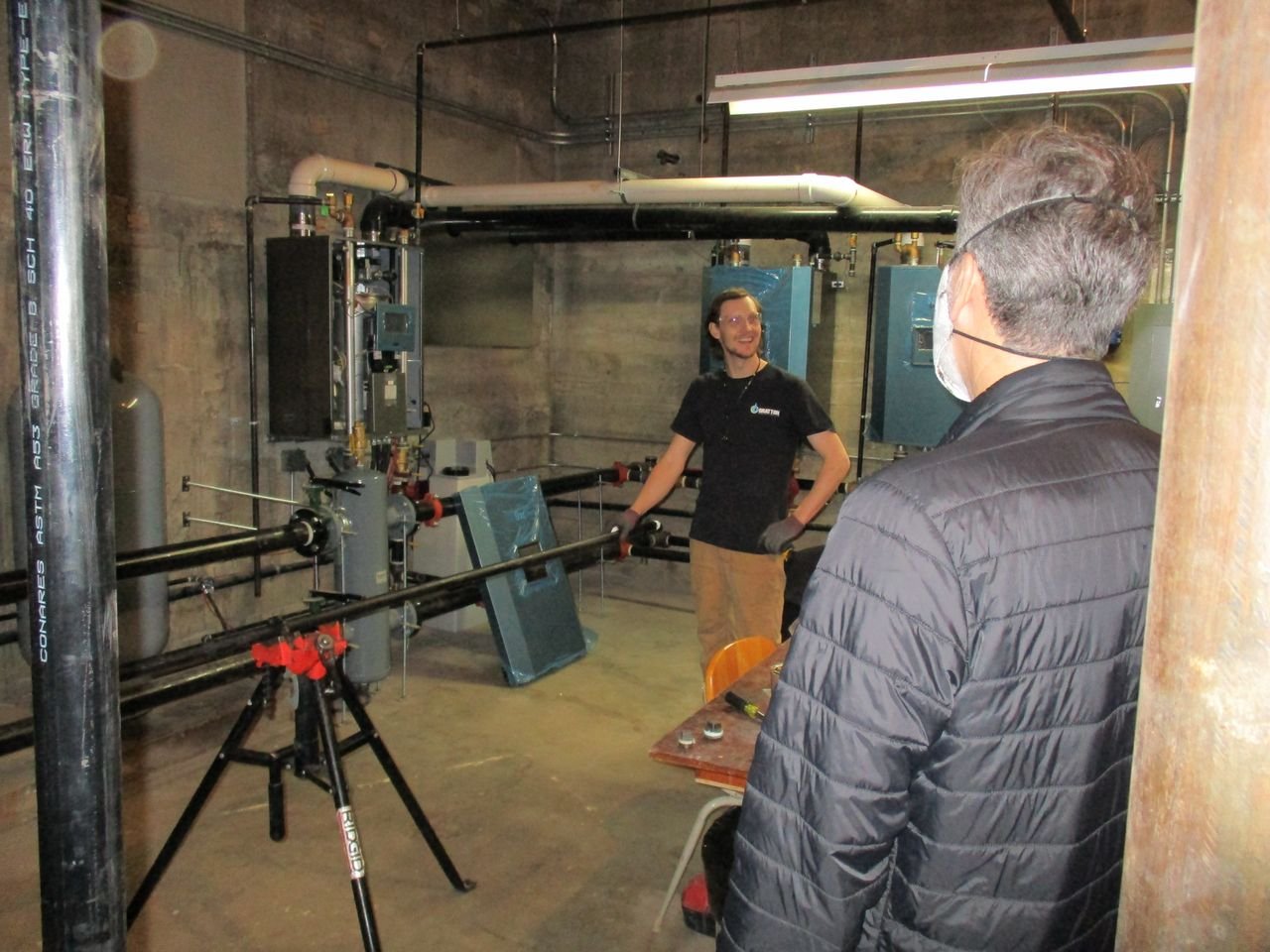
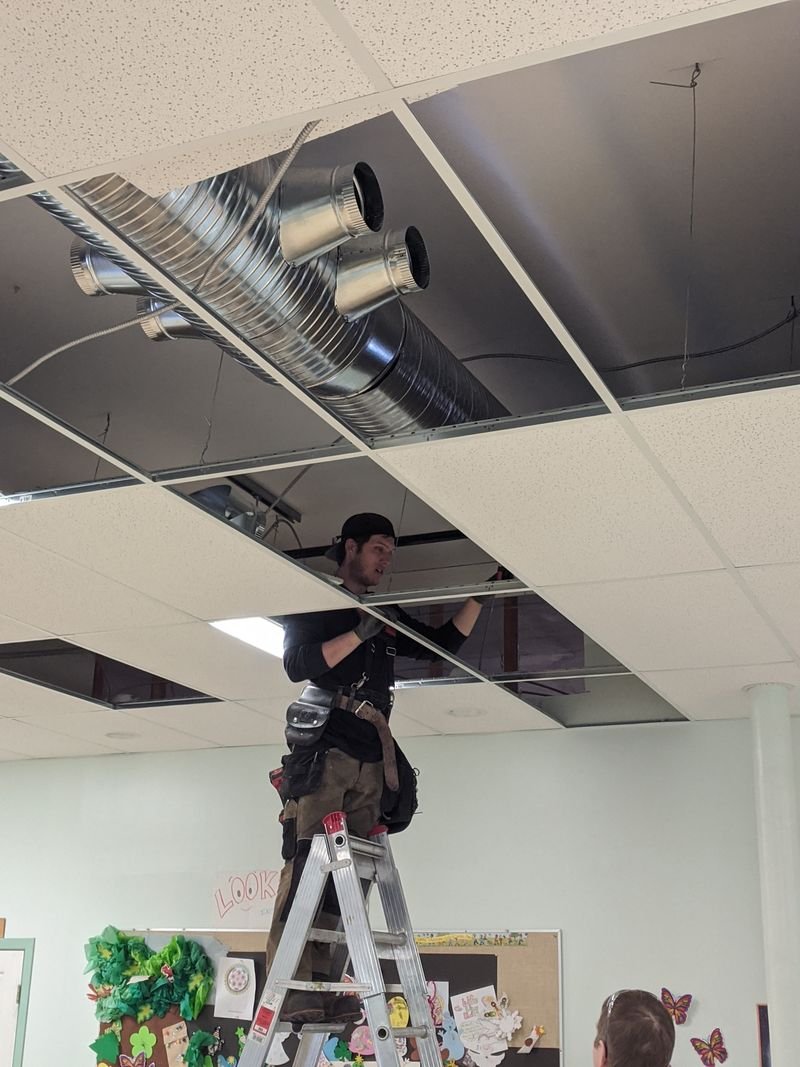
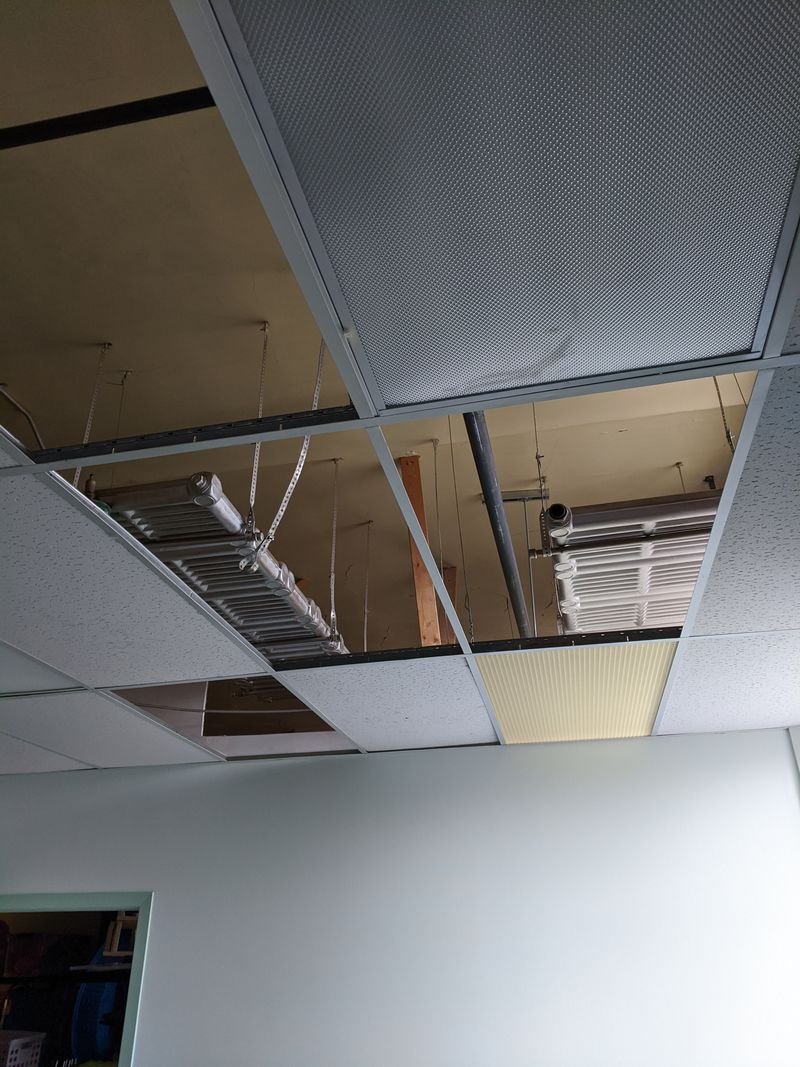
Following renovations, the sanctuary retained its familiar appearance while a significant upgrade to a new, highly efficient hydronic heating system silently improved the comfort and sustainability of Fifth Avenue Memorial United.
With a thermal efficiency rating of 94.5%, significantly higher than the old steam boiler's 79.9%, energy consumption has markedly decreased. The installation of brand-new, smooth bore pipes ensures optimal fluid conveyance, minimizing leaks and maximizing efficiency. Notably, the exhaust vents have undergone a drastic reduction in size, with each of the three new water boilers having a 4-inch vent compared to the previous 20-inch diameter vent. The switch results in a total vent area that is less than 15% of the size of the old exhaust, significantly reducing heat loss.
One year post-renovation, Fifth Avenue Memorial United achieved impressive environmental gains, including a 50.9% reduction in natural gas usage, a 46.3% decrease in total greenhouse gas emissions, and a 21.4% reduction in electricity consumption.
However, Fifth Avenue Memorial United’s heating system upgrade goes further than just environmental and climate impact reductions.
“Instead of using the money to pay utility bills; the savings from our new heating system will allow us to continue our support to the downtown community, social justice, and other areas of ministry and outreach. For example, being able to continue to offer space year-round for community events such as choir concerts, one of which has already been booked after a long drought caused by COVID-19 and a broken boiler. ” shared Coley
“Events such as these will give us the opportunity to showcase, not a new furnace, but a renovation that is reducing our carbon footprint. Each of these events will effectively be celebrations, and opportunities to share our story — that we not only have a warm sanctuary, but we have it in a way that is environmentally friendly and is going to cost us less in utility bills. It will shine a light on the various community and social programs that we can continue to support as a vital, involved, downtown church.”
Work Ahead
The larger boiler replacement project at Fifth Avenue Memorial United remains ongoing. Approximately $14,000 is yet to be covered for remaining tasks and unanticipated expenses encountered along the way. In the near future, the church plans to install a new forced air system on the basement level, hot water tanks that use heat from the boiler system, and programmable thermostats.
The new system will also provide improved zone-by-zone temperature control with programmable temperature setbacks. The newly installed system will eliminate the single-point-of-failure boiler with a modular system with backup capacity in case of a boiler failure. The new equipment is computer-controlled and can automatically troubleshoot any sudden issues remotely. This reduces the number of onsite service calls.
Looking ahead, the church is committed to further modernizing various systems through its building. This includes continuing its transition to energy-efficient light bulbs and electrical fixtures and exploring the possibility of solar panels on a section of its roof to help reduce its carbon footprint.
Faithful Footprints Program
The United Church of Canada’s Faithful Footprints program offers inspiration, tools, and grants to help its faith communities reduce their carbon footprint. With the Church’s commitment to reducing its greenhouse gasses (GHG) emissions by 80% by 2030, this one-of-a-kind program offers up to $30,000 in grants towards energy conservation and renewable energy projects (conditions apply).
Faith & the Common Good is the delivery partner for the Faithful Footprints program. To date, we have engaged over 400 congregations, camps, and buildings across the country. Your participation in the program puts your faith into action and helps the Church reach its target.
Aleyxa Gates Julien is the PR/Communications Coordinator for Faithful Footprints and can be reached at agatesjulien@faithcommongood.org.

Camp Fircom: The Off-Grid Effect
A mere 20 minutes from mainland Vancouver, Camp Fircom is a far cry from hectic city life. Located across the Howe Sound on Gambier Island, and accessible only by water taxi, the remote United Church camp has offered a “place of rest and healing” for 100 years.
A mere 20 minutes from mainland Vancouver, Camp Fircom is a far cry from hectic city life. Located across the Howe Sound on Gambier Island, and accessible only by water taxi, the remote United Church camp has offered a “place of rest and healing” for 100 years.
Ron Injates, who currently sits on the camp’s board of directors and property committee, sets the scene:
“It's such a unique location and experience being on the island. The kids who come here, they get on a boat and that's exciting from the second they leave the dock. We're not too far from town, but sort of in the middle of nowhere and totally off the grid at the same time.”
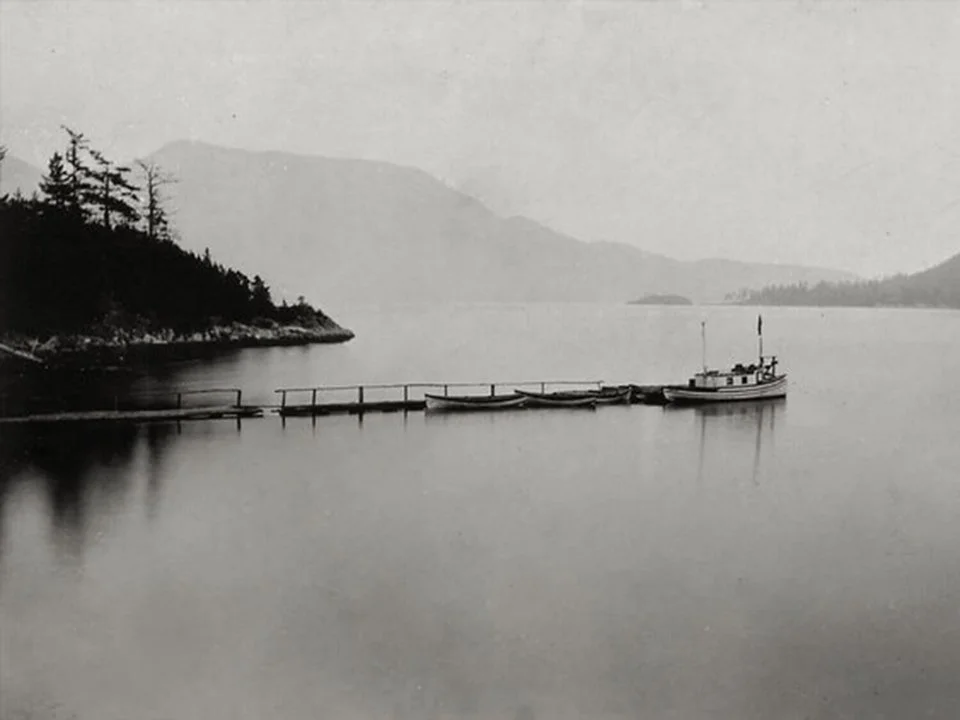
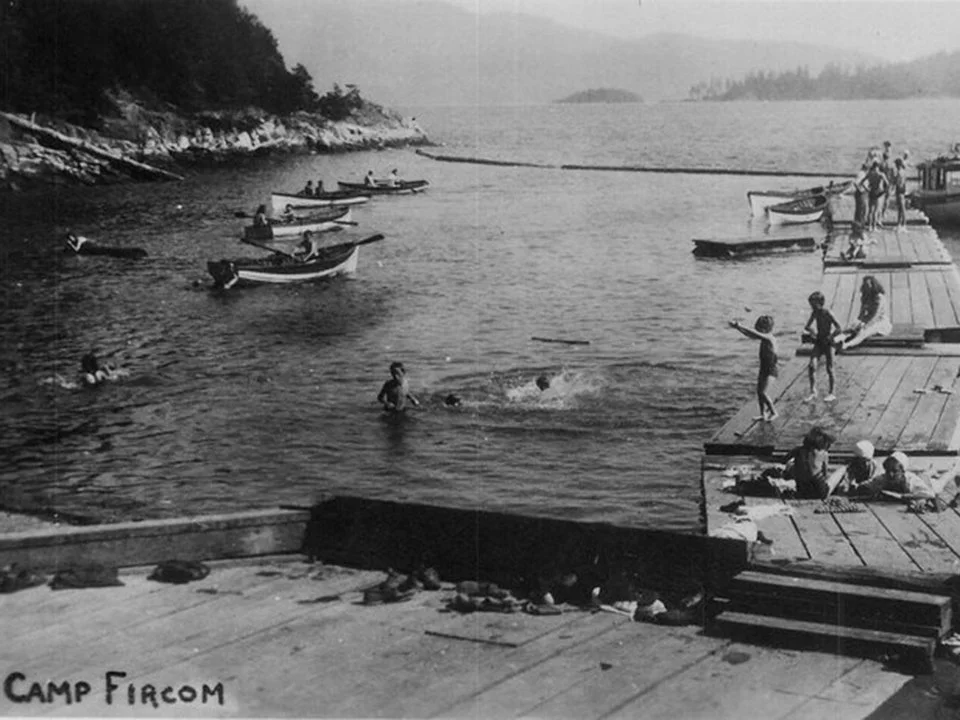
Since 1923, the site has supplied its own clean drinking water, sanitation, heat and energy. As Ron says, “Everything that a municipality would provide for you is basically what we have to provide for you.”
Unsurprisingly, “it's super expensive and super complicated,” because not only are they on the hook for all those services, but the fact that water is the only way to the camp brings a whole new level of complexity.
“That's what I tell kids who are here. Everything you see here came on a boat at one point, every little screw, every nut, every window,” Ron says.
And over the last century, little by little, barge trip by barge trip, Camp Fircom has been working to curate a site that celebrates and lives in harmony with the natural world.
In 2005, the camp closed to undergo major renovations that encompassed burying utilities, putting in a new sewage treatment plant, renovating old accommodations, and building new cabins and halls. The “rudimentary” power and energy provisions also got an upgrade, so when the doors reopened in 2011, the camp was offering 24-hour electricity for the first time. The commitment to the off-grid experience, however, meant that heat and electricity was still coming from propane and diesel generators.
Recognizing the unsustainability of their latest energy solutions, camp problem-solvers like Ron looked to the natural abundance of the sun and water to find alternative onsite power sources. Most recently, in November 2022, the camp installed a unique 16kW solar system on the roof of their south-facing, felicitously unobstructed archery shelter.
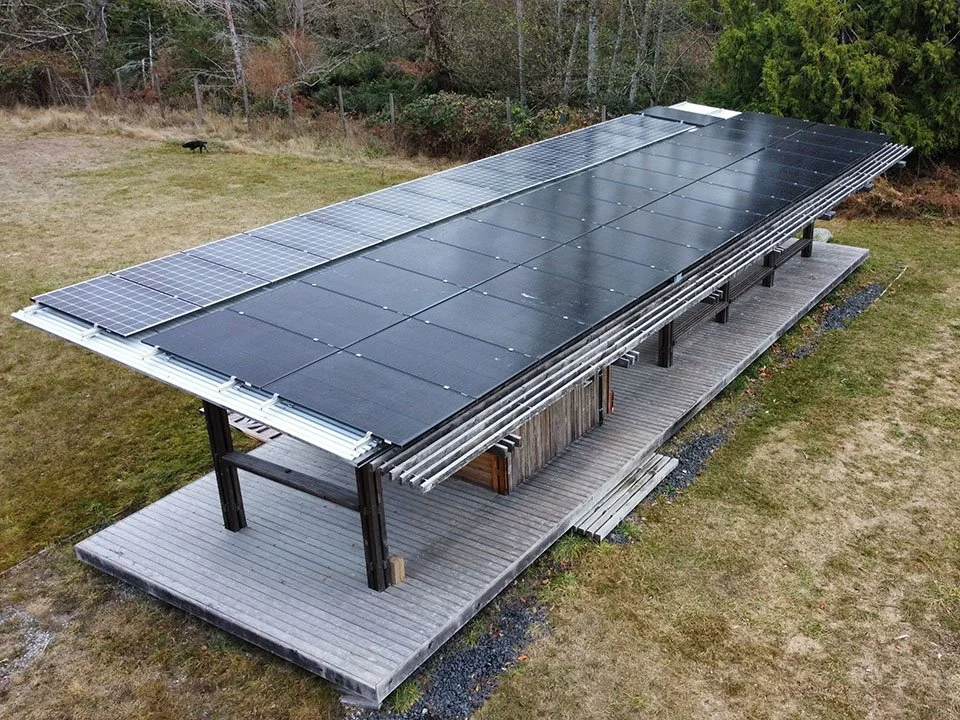

The project was a long time coming, as the process kicked off back in 2018, but the solar installation finally materialized courtesy of countless volunteer hours, barge trip donations, and grants from the United Church’s Faithful Footprints program and Vancity’s Envirofund. The original plan for the funding was to “harness the power of Fircom Creek,” which flows through the camp, via micro-hydro generation. But thick, vexing layers of bureaucratic red tape and the advent of COVID-19 pumped the brakes on the project, compelling the team to course correct and turn their focus to solar.
Reflecting on the lengthy, at times arduous journey and sweet victory of finally having the solar panels up, Ron says, laughing, “Sometimes I just go there and look at them.”
His heart is still set on getting a micro-hydro project up and running someday soon though, especially since, “It's the perfect complement to the solar we have here.”
“The creek is running all the time, so that would add up at night. It would run all winter and then, in the summertime, the creek dries up, actually, so then the solar would take over.”
Sharing the camp’s goal of being 90% renewably powered by 2030, Ron says, “In my perfect Camp-Fircom dream world, there'd be solar panels on all kinds of buildings around here and we'd have more power than we need — and no diesel bills!”


At Camp Fircom, responsible energy consumption and sustainability are central principles, palpable through the thoughtful design of their energy systems and conservation education, zero-waste compost and recycling practices, and organic farm (with chickens and everything!) supplying their kitchen 30 metres away.
“When you're talking to kids about conservation, or having a lighter footprint, or something like that, I think it's pretty difficult to do when you're in the city,” Ron says. “But when people come here, it’s obvious that you have an impact on things.”
“Even with something as mundane as the convenient flush of a toilet, I can walk them up and show them where the water comes from, where the water goes, what a well pump has to do to fill the toilet again, that kind of thing,” he continues, “So I think that has more of an impact than just droning on and only explaining things to kids, or adults really. It’s immediately apparent when you come here that everything you do has a consequence.”
And whether you’re a camper or staff member, volunteer or off-season visitor, all are invited to contemplate questions like,“How lightly can we tread upon the earth? How does the earth respond when we care for it and cultivate it thoughtfully?”

All photos courtesy of Camp Fircom.
Faithful Footprints Program
The United Church of Canada (UCCan) Faithful Footprints program offers inspiration, tools, and grants to help its faith communities reduce their carbon footprint. With the Church’s commitment to reducing its greenhouse gas (GHG) emissions by 80% by 2030, this one-of-a-kind program offers up to $30,000 in grants towards energy conservation and renewable energy projects (conditions apply).
Faith & the Common Good is the delivery partner for the UCCans Faithful Footprints program. To date, we have engaged over 300 congregations, camps, and buildings across the country. Your participation in the program puts your faith into action and helps the Church reach its target.
Cari Kilmartin is the Western Regional Coordinator for Faithful Footprints and can be reached by phone 780-216-1867 or email cari@newo.energy
Nurturing collaborations: Mckillop United in Lethbridge, Alberta
Across the country, United Churches are doing their part to address the climate crisis by getting their houses in order and reducing their own carbon emissions. Through a partnership with Faith & the Common Good, the United Church of Canada is offering grants and support for churches to measure their energy use and reduce their climate pollution, in ways that save money and strengthen congregational renewal.
Across the country, United Churches are doing their part to address the climate crisis by getting their houses in order and reducing their own carbon emissions. Through a partnership with Faith & the Common Good, the United Church of Canada is offering grants and support for churches to measure their energy use and reduce their climate pollution, in ways that save money and strengthen congregational renewal. The initiative, called Faithful Footprints is about living climate commitments, for future generations, and for all of creation. To inspire your congregation to get involved, we have stories from participating congregations from across the country.

Mckillop United Church in Lethbridge Alberta started with a modest proposal to renovate their kitchen which evolved into a 1.6 million dollar project.
Nurturing collaborations: Mckillop United in Lethbridge, Alberta

It started with a modest proposal for a kitchen renovation and evolved into a 1.6 million project.
“So much of our activities centers around food, so many initiatives grow from it,” says John Bolton, coordinator for the renovation committee at Mckillop United in Lethbridge, Alberta.
But for as long as he can remember, the congregation had been talking about a kitchen renovation, because they had an ancient stove out of the prisoner of war camp: “People were afraid to use it.”
Pushing to be a community hub, a federal New Horizon grant for Seniors helped pay for the kitchen. Moving on to the main hall, in terms of safety, they recognized the heating system as being antiquated; large, inefficient 1950 vintage boilers.

“The FF grant allowed us to do what we wanted to do,” says John. $30,000 funded two boilers. “What that means is that there is a significant reduction in our utility costs, allowing more funds to be directed into community outreach.”
Now, thanks to a FF grant and other monies, including fundraising, the church enjoys a commercial-level kitchen, high-efficiency furnaces, new inclusive washrooms, full-service elevator for accessibility, and several other infrastructure improvements.
Being a congregation with “a strong social justice conscience,” and the belief that they can do a lot to “make a better world,” (they work to uplift LGBTQ+ and Indigenous communities and are eco-focus, sitting as the only church on the Environment Lethbridge Committee), John says they really needed to move beyond the walls. “We couldn’t only be a Sunday morning service, we have too much potential for one day a week use.”

It was important that they look out for partnership options and organizations that mesh well with their faith pillars. “You have to look for partners that fit, they don’t just drop in your lap,” John says. Mckillop contracted with a consultant to help identify collaboration opportunities. In January of 2019, area organizations started to use the renovated facilities, including a meal-preparation program to address senior isolation, in cooperation with the Lethbridge Senior Community Organization. Coming up is the possibility for a similar program for disabled adults to run with L’Arche. “Next, we hope to continue to green the church, perhaps using solar panels--with government incentives.”
UCC Carbon Baseline Report
The United Church of Canada is committed to reducing its carbon emissions by 80% by 2050, in line with the Paris Climate Targets. With an initial focus on buildings – one of the church’s largest sources of emissions – the program Faithful Footprints will be working with 500 congregations by 2025 to reduce their energy use and energy costs.In 2016 the UCC General Council commissioned Caring for Creation, Our Communities and Our Congregations: The Case for a National Carbon Reduction Program for Faith Buildings. Faithful Footprints is the beginning of implementing those learnings.
As people of faith, we recognize that to bring truly inspiring climate leadership to our communities, we must practice what we preach. Together we can renew our congregations, care for the planet, save money, and stop climate pollution.
Stay tuned for a full feature of Faithful Footprints in the February 2020 edition of the United Church of Canada’s Mandate Magazine.

Parkdale United Creates a Change for Climate
We are inspired by the Biblical call to be good stewards of the Earth and by the warnings from the International Panel on Climate Change. We have the means to be part of the healing of the Earth. Here is what we have done so far.
Parkdale United Church in Calgary is working on Creating a Climate for Change
Pictured above are Parkdale Members Bev Delong, Eneyda Rios, Ken Coburn, and Ted Moon (left to right) getting ready to replace their old seven-pilot boiler.
The following is the text from their ‘Creating a Climate for Change’ brochure. Read more about Parkdale United in Calgary here.
We are inspired by the Biblical call to be good stewards of the Earth and by the warnings from the International Panel on Climate Change. Our community has shared books and movies further explaining the need to adapt to lessen our use of power and water. We have the means to be part of the healing of the Earth. Here is what we have done so far.
To learn about options, we engaged in an environmental audit in June 2012 by Stephen Collette organized through Faith & the Common Good resulting in recommendations for action.
To lessen our carbon output, Parkdale is:
Purchasing a boiler that will reduce our output by an annual 15 - 18 tonnes of CO 2
Anticipates the installation of solar panels will further reduce our CO2 production annually by 10 tonnes.
Plans that the auditorium roof insulation will reduce CO2 by a further 3.0 to 5.0 tonnes.
Switched many light fixtures to T8 compact fluorescent bulbs
Has replaced an elderly fridge with a more energy efficient model
Gas stopped use of the inefficient freezer in the main kitchen and
Installed foam gaskets for insulation in the exterior wall electrical outlets.
To lessen the volume of water treated, and conserve water, Parkdale has:
Installed five low flush toilets reducing water usage from 13 litres per flush to 6 litres
Water faucets have been checked to ensure there are no leaks and
1.5 GPM low flow aerators were installed to reduce hot (and cold) water consumption.
To create a healthier building, we have: moved to environmentally friendly clearing products & dishwashing liquid, removed a volume of old VOC-carrying paint cans from the church, and called for a “no-scent” policy among users of the building
To decrease production of plastics, and lessen waste going to the landfill, Parkdale has: called for called on users to minimize use of disposable dishes and cutlery and to not use styrofoam and placed paper recycling bins throughout the church.
To discourage the commercial production of water and in keeping with recommendations from the United Church of Canada, Parkdale has installed two filtered water systems and is encouraging all users of the building to use them rather than bottled water.
To enable paper recycling, paper recycling bins to be placed in conference rooms that are available for rental.
Next Steps? What would you suggest?
Are you interested in information on solar panels for your home? Perhaps you would like other information on environmental possibilities. Let us know!
Words of thanks!
Our gratitude goes to Parkdale Council, Parkdale’s Operations Committee and Faith and Justice Committee for their considerable work on these projects.
We acknowledge with thanks the financial support received from the bequest of Janet Tollefson and the work of the Committee that evaluated potential projects to be addressed by that bequest.
We also thank the people who regularly contribute to these projects at our monthly movie night.

St. Paul’s United Saves Money, and Sends Message with Solar
“Solar panels on the roof of a church are like a giant billboard for the church,” says Wheler. “It says: ‘Hey, we are going to be here for a while and we care about the environment. We are looking forward. We are progressive. This is a place where things are happening. Come on it and check us out.'”
STORY BY TERRY JORDEN IN THE EDMONTON PRIME TIME, MAR 28, 2018
When you walk past St. Paul’s United Church in Belgravia, you can’t help but notice the large and impressive south facing sloped roof.
In fact, if you’re an engineer specializing in green energy, you might even say it’s the perfect roof for solar panels. Even some church parishioners remarked that the church was ideally suited.
When Justin Wheler began attending the church in 2006, the thought may have crossed his mind, too. But it wasn’t until 2011, after the roof was upgraded, that the idea began to take shape. An energy audit of the 62-year-old building recommended the need for some new windows, the removal of an old fridge and gas stove and the installation of LED lights.
“One thing that surprised me was that a lot of people thought it would be much more complicated than it ended up being.”
By 2013, Wheler obtained a quote to install solar panels for the church to consider. But, as is often the case, budgets were tight and resources were going towards other church’s ministries such as a campus ministry, a food security program in Garneau and Old Strathcona, a quilting group and a school in Zambia.
One day in 2017 Wheler became aware of the City of Edmonton’s EcoCity grant program, created to support community projects that reduce greenhouse gas emissions. St. Paul’s solar panel project seemed like the perfect fit.
With two days before the grant application deadline, Wheler and the rest of the solar power committee of Clare Irwin, Bob Miller, Chris Peet, Jocelyn Proby and Hami Razaghi, received the blessing of the church board and submitted the grant application for the $70,000 project. (Other key church members include Coleen Falk and Dawn MacDonald.)
What was once just an idea became a reality when the $25,000 EcoCity grant was received, another $25,000 was quickly raised through donations and a $14,000 Energy Efficiency Alberta rebate was factored in.
Western Canada-based Skyfire Energy was selected to do the work and finished the project in late January. There are now 95 panels covering 75 percent of the south side sanctuary roof. It is estimated the panels will generate about 28,000 kWh annually, supplying most of the church’s electrical needs. St. Paul’s spends about $2,000 annually on electricity.
St. Paul Rev. Catherine MacLean says one of the challenges for the church was to generate donations for the project that would not divert funds away from other church activities.
“People were invited to donate, and made aware of the other investments of resources in which the congregation is involved,” says Rev. MacLean. “And we are happy to say that the solar panels are fully funded without inhibiting any other work. We believe that they enhance our purpose and reflect the wonder of God’s hand in creation.”
“One thing that surprised me was that a lot of people thought it would be much more complicated than it ended up being,” says Wheler.
“Once we decided to actually go for the project and pursue it with some dedication, things went very smoothly,” he says. “We went from an idea one day, to a grant application the next day, to a fully funded project three months later. Then we selected a contractor and had it installed in less than a year. For a volunteer organization, that is extremely fast.”
While solar panels are appearing throughout the city on private and public properties, relatively few are on church buildings.
One church to go solar was the St. Albert United Church. A 4.75 kWh solar panel awning system was installed in 2011. More recently the Zion Baptist Church of Kensington received a EcoCity grant for a solar panel project.
St. Paul’s United has begun to receive enquiries from other organizations because of its very visible location in the neighbourhood south of the main University of Alberta campus.
For all those considering going green, Wheler has some advice.
“Go for it. Now is the time. “There is great support from all levels of government right now and there are a lot of very skilled companies working in this industry.
“We are going through a lot of transitions in the electricity system in the province right now, so this might be an important opportunity to hedge against future price increases as well as contributing to climate leadership,” says Wheler.
So, not only do the solar panels reduce electricity costs and greenhouse emissions, they also send a powerful message to all who pass by.
“Solar panels on the roof of a church … are like a giant billboard for the church,” says Wheler. “It says: ‘Hey, we are going to be here for a while and we care about the environment. We are looking forward. We are progressive. This is a place where things are happening. Come on it and check us out.'”
You can monitor the project’s daily energy generation here.